Two nations, two histories
Switzerland and Namibia became nations by very different roads: one through seven centuries of alliance between valleys and cities, the other through colonial rule and a long struggle for independence. Knowing both histories is where friendship between the two begins.
A confederation built over seven centuries
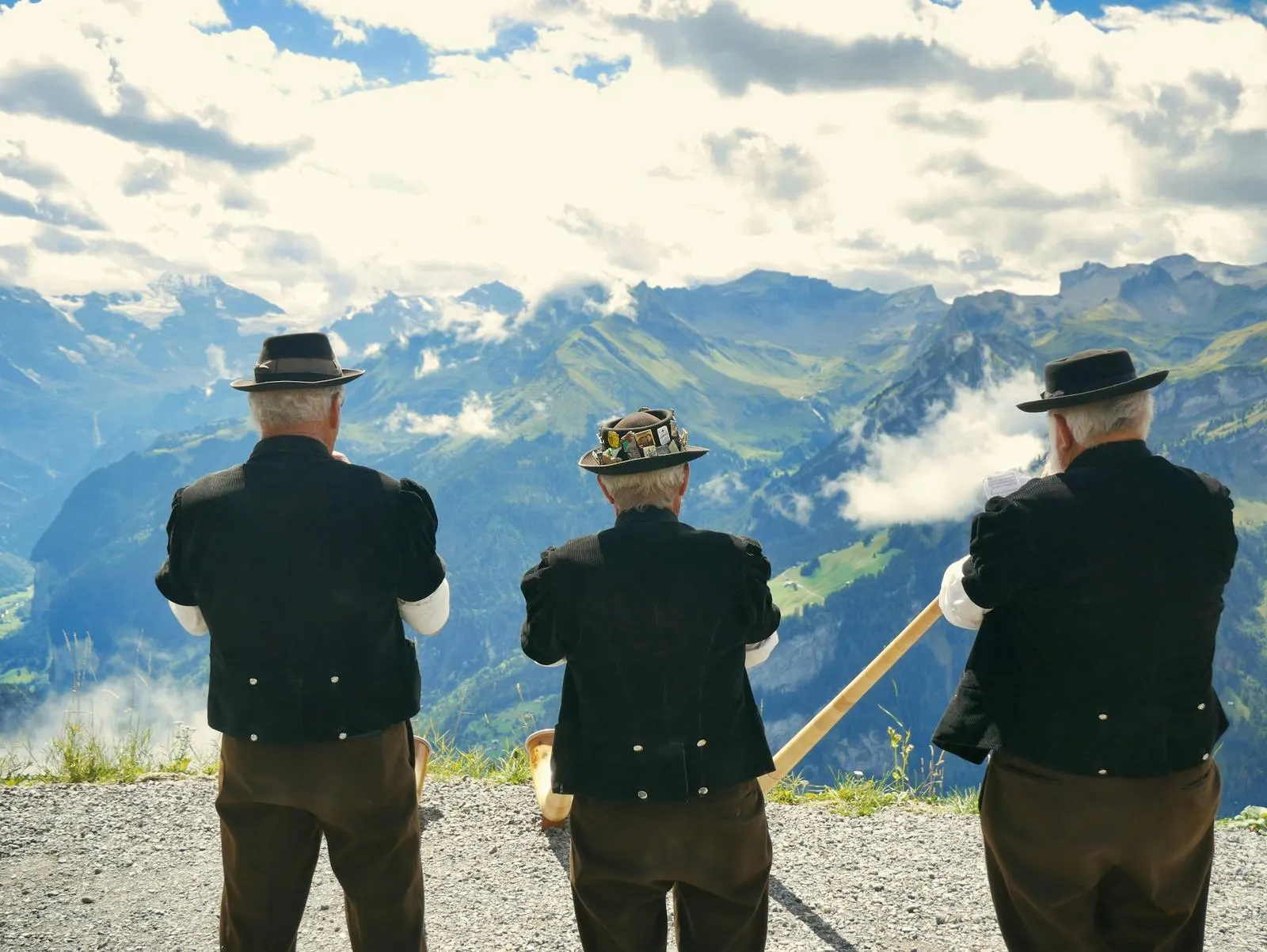
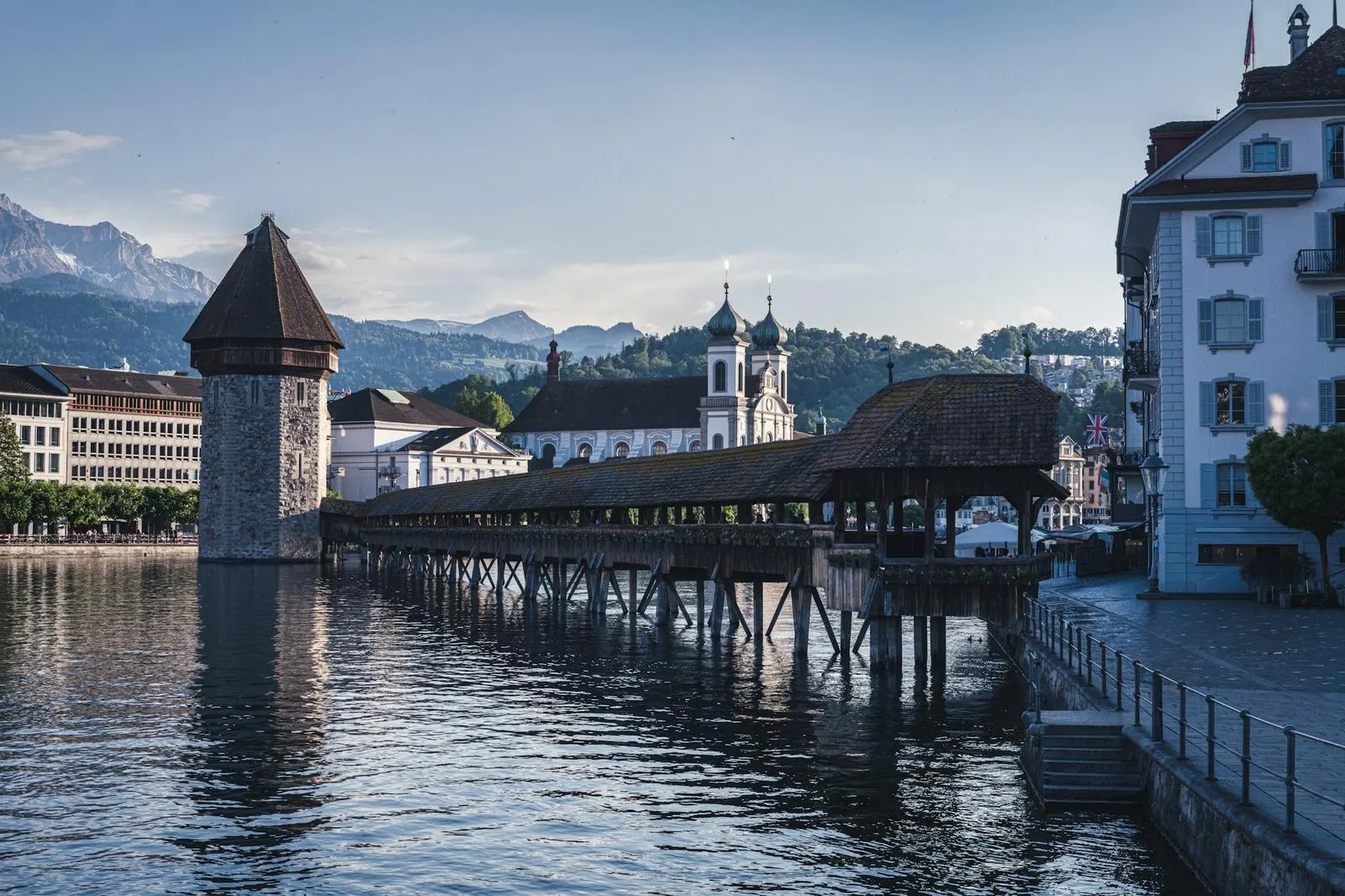
From an alliance of three valleys to a federal state of 26 cantons and four languages, held together by neutrality and direct democracy.
The Helvetii and Rome
Caesar turns back the Helvetii at Bibracte. For four centuries the land between the Alps and the Jura belongs to the Roman world, and Latin lays the ground for French, Italian and Romansh.
The Federal Charter
Uri, Schwyz and Unterwalden swear to help one another. The charter is later honoured as the founding of the Confederation, celebrated on 1 August.
The Confederation grows
Victories at Morgarten and Sempach hold the alliance together and draw in towns such as Lucerne, Zurich and Bern. After the Swabian War of 1499 the Confederates are in practice independent of the Empire.
Marignano
Defeat in northern Italy ends the Confederates' expansion. Staying out of the wars of the great powers becomes the rule that later grows into neutrality.
The Reformation
Zwingli in Zurich, then Calvin in Geneva. The cantons divide between the confessions and slowly learn to live side by side.
Independence recognised
The Peace of Westphalia recognises the Confederation's independence from the Holy Roman Empire.
The Helvetic Republic
French troops end the old Confederation. The Helvetic Republic introduces equality before the law, then gives way to Napoleon's Act of Mediation.
Neutrality and today's borders
The Congress of Vienna recognises Switzerland's permanent neutrality. Geneva, Valais and Neuchâtel join, and the borders of today are set.
The federal state
After a short civil war in 1847, the federal constitution creates the modern Switzerland, with Bern as the federal city.
The Red Cross
Henry Dunant and four citizens of Geneva found the committee that becomes the International Committee of the Red Cross. The first Geneva Convention follows a year later.
Direct democracy
The referendum (1874) and the popular initiative (1891) give citizens the last word. In 1891 the country first celebrates 1 August.
The Gotthard
The Gotthard rail tunnel joins north and south beneath the Alps.
Neutral through two world wars
Switzerland stays neutral and armed. In 1920 Geneva becomes the seat of the League of Nations.
Women's suffrage
Swiss women gain the right to vote and stand for election at federal level.
The canton of Jura
The Jura becomes a canton of its own, the newest of the 26.
A new constitution, the United Nations
The people adopt a revised federal constitution in 1999, and in 2002 vote to join the United Nations.
Switzerland now
About nine million people, 26 cantons, four national languages and a Federal Council of seven, elected by Parliament. Citizens vote on federal questions several times a year.
One of the oldest lands, a nation since 1990
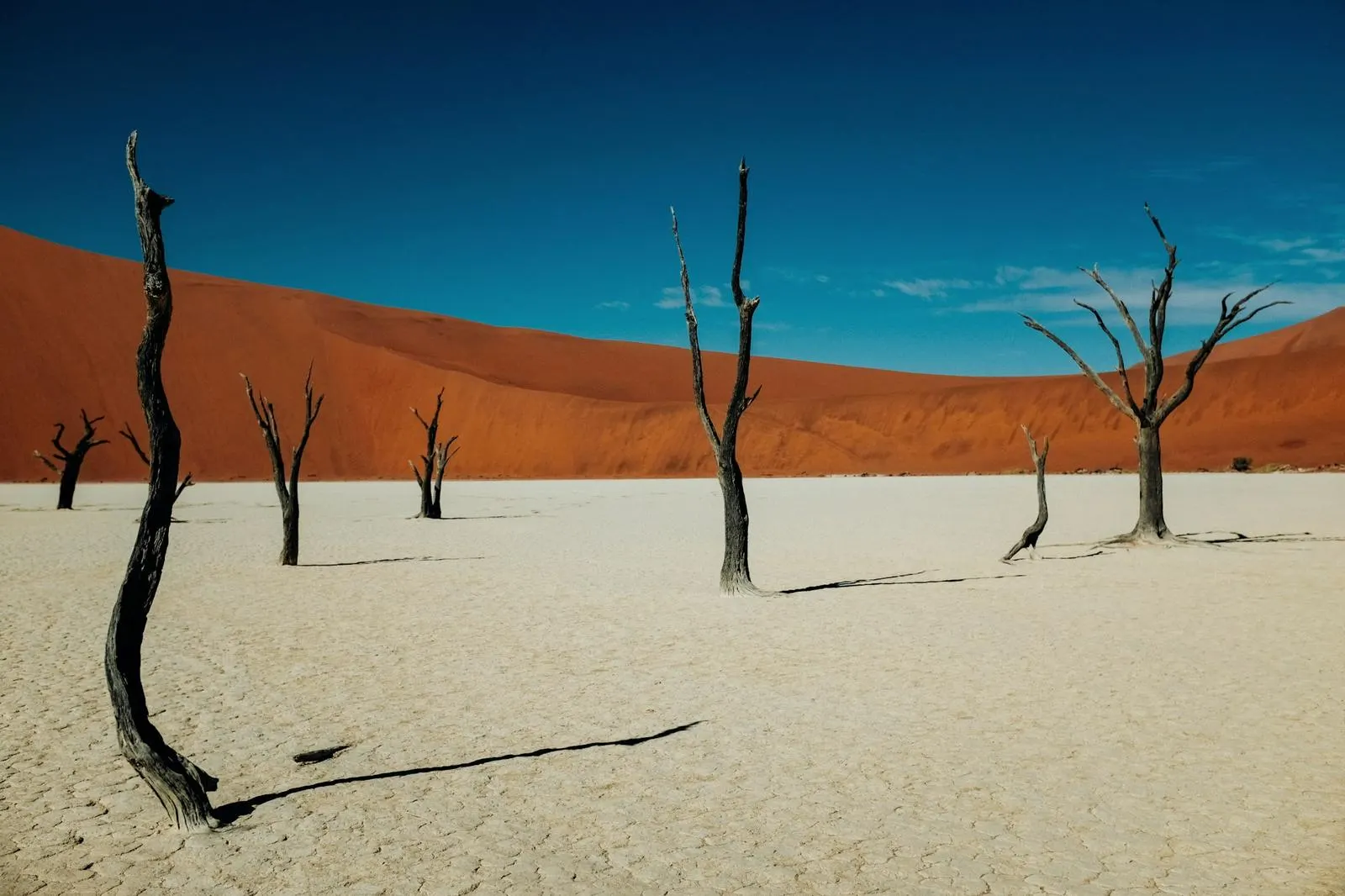
Some of the earliest art in Africa, many peoples, a century of colonial rule and a liberation that ended in free elections under the United Nations.
The Apollo 11 Cave
Painted stone slabs from a cave in the south of the country are among the oldest figurative art in Africa.
The San and Twyfelfontein
The San, the country's first people, leave thousands of rock engravings at Twyfelfontein, today a UNESCO World Heritage Site.
Many peoples
Nama and Damara in the south and centre, Herero and Himba herders in the west and north-west, the Owambo and Kavango communities in the north, and the peoples of the Zambezi region shape the land.
Cape Cross
The Portuguese navigator Diogo Cão sets up a stone cross on the coast.
Missions and traders
Oorlam communities, missionaries and traders arrive from the Cape. Around 1840 Jonker Afrikaner makes Windhoek his base.
German South West Africa
Germany declares a protectorate over the territory.
War and genocide
The Herero and the Nama rise against German rule. The colonial war that follows destroys a large part of both peoples. In 2021 Germany acknowledged it as genocide.
South African occupation
South African forces occupy the territory during the First World War.
The mandate
The League of Nations entrusts the territory to South Africa as a mandate. Apartheid laws are later extended to it.
Resistance
On 10 December 1959 police fire on residents resisting removal from Windhoek's Old Location, now remembered on Human Rights Day. SWAPO is founded in April 1960.
The armed struggle
The UN General Assembly ends South Africa's mandate. On 26 August the armed liberation struggle begins at Omugulugwombashe, remembered on Heroes' Day.
The World Court
The International Court of Justice finds South Africa's continued presence in Namibia illegal.
Resolution 435
The UN Security Council sets out the plan for independence through free and fair elections.
Elections
Under UN supervision, Namibians elect a Constituent Assembly in November. It writes the constitution in under three months.
Independence
On 21 March Namibia becomes independent, with Sam Nujoma as its first President and a constitution that guarantees fundamental rights and a multi-party democracy.
Walvis Bay
Walvis Bay and the offshore islands are reintegrated into Namibia on 1 March.
Peaceful transfers of power
Presidents Nujoma, Pohamba, Geingob and Mbumba; since March 2025 Netumbo Nandi-Ndaitwah, the first woman to hold the office.
Namibia now
About three million people in 14 regions, one of the least densely populated countries on earth. English is the official language, among many spoken at home.
Where the two histories meet
The two countries have known each other for more than a century, in science, in diplomacy and through the people who live in both.
In the 1880s the Zurich botanist Hans Schinz travels and collects in the territory. In Basel, the Basler Afrika Bibliographien, founded in 1971, hold one of the largest Namibia collections outside Namibia.
Talks on Namibia's independence meet in Geneva under UN auspices in 1981, and again in 1988.
Switzerland's first personnel mission with the United Nations: a medical unit of about 150 people at a time, 387 in all, with clinics in Windhoek, Grootfontein, Oshakati and Rundu, and Switzerland's first election observers.
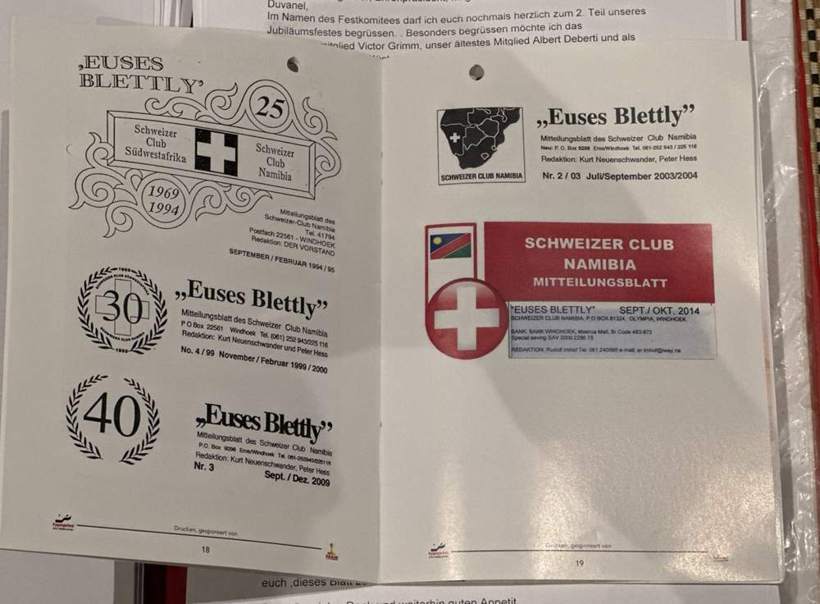
About 300 Swiss live in Namibia. Since 1969 the club has brought them together, with every friend of Switzerland.
Compiled by the club for orientation, from the sources below. Each community remembers its history in its own way; corrections and additions are welcome through the Swiss Desk.