Making a life here
Guides by stage of life, for those arriving and for those who stay. Each one names the office that is competent.
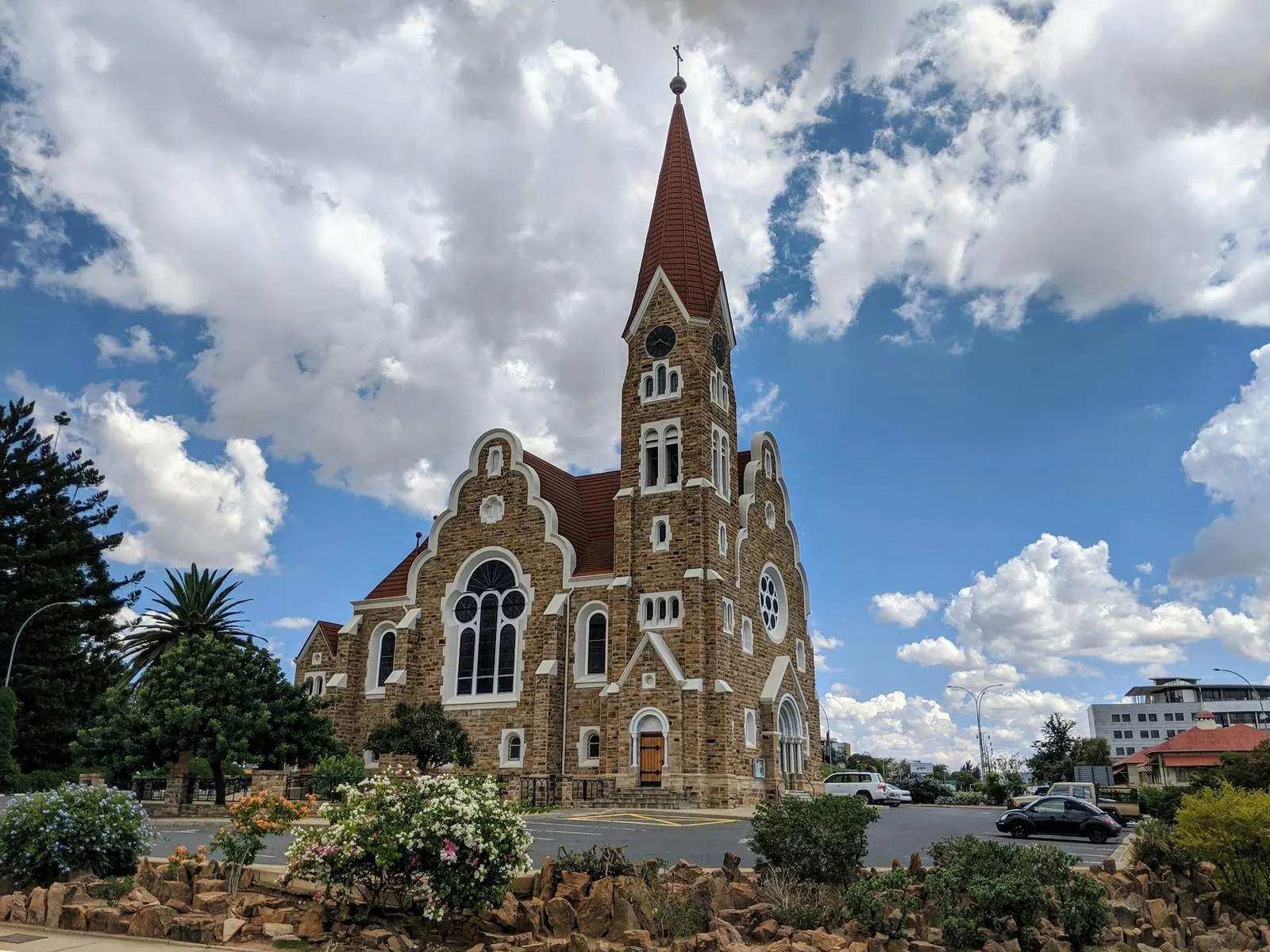
How life is lived here
Space, light and time. Namibia gives back what crowded places take away, and asks for a little patience in return.
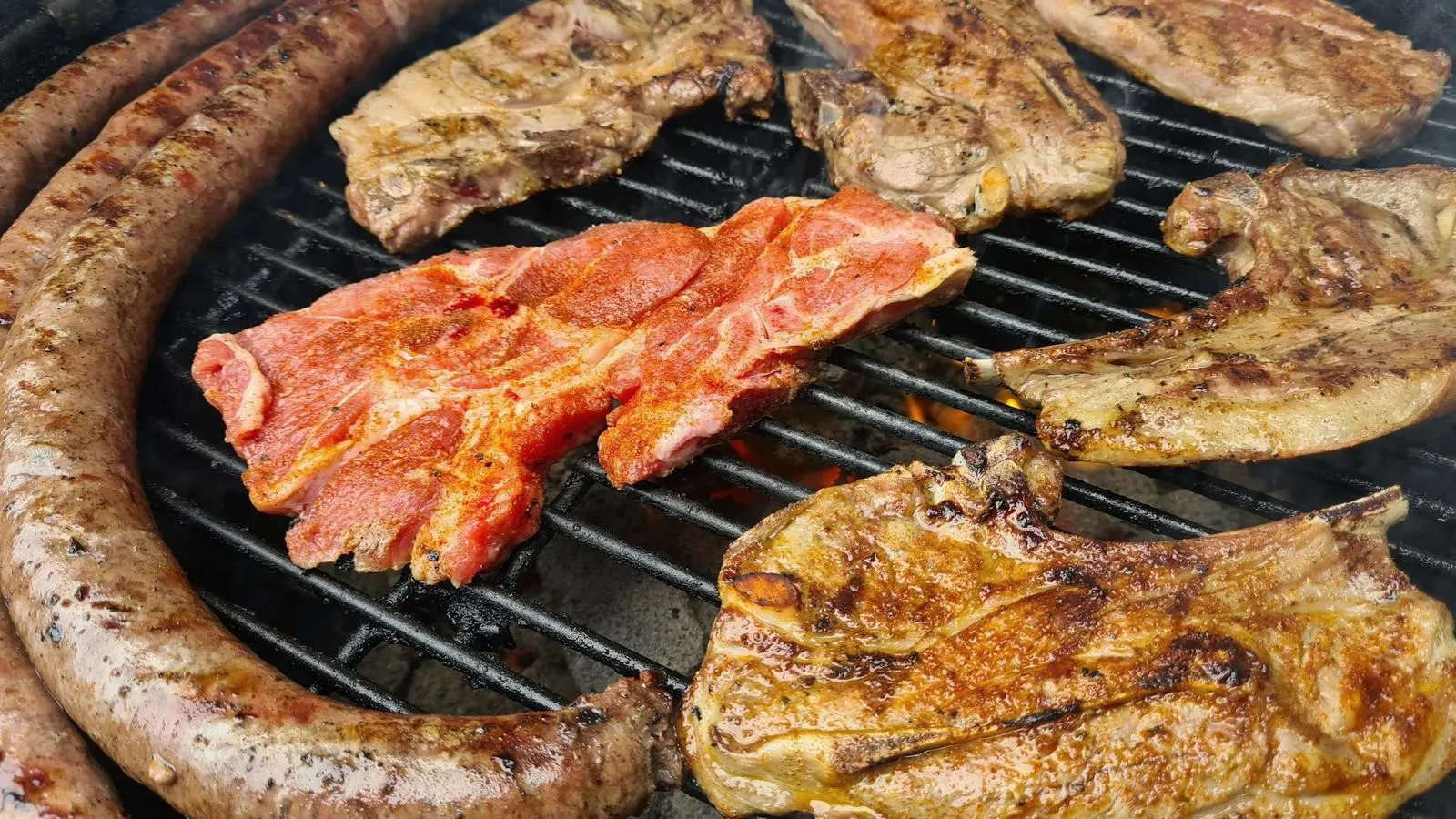
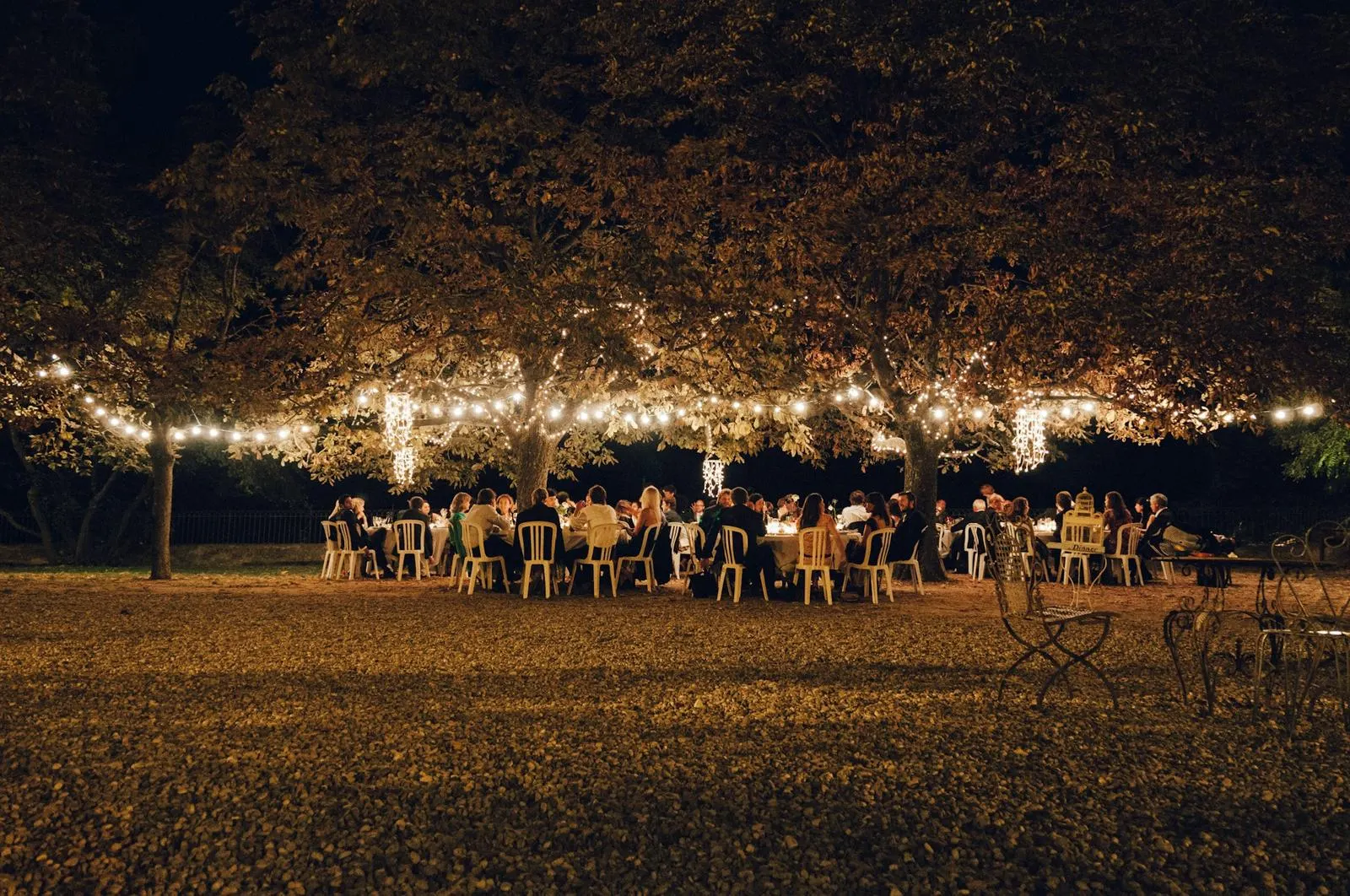
The fire is the centre of social life: Saturdays, birthdays, business. Bring meat, bring a salad, and stay until the stars come out.
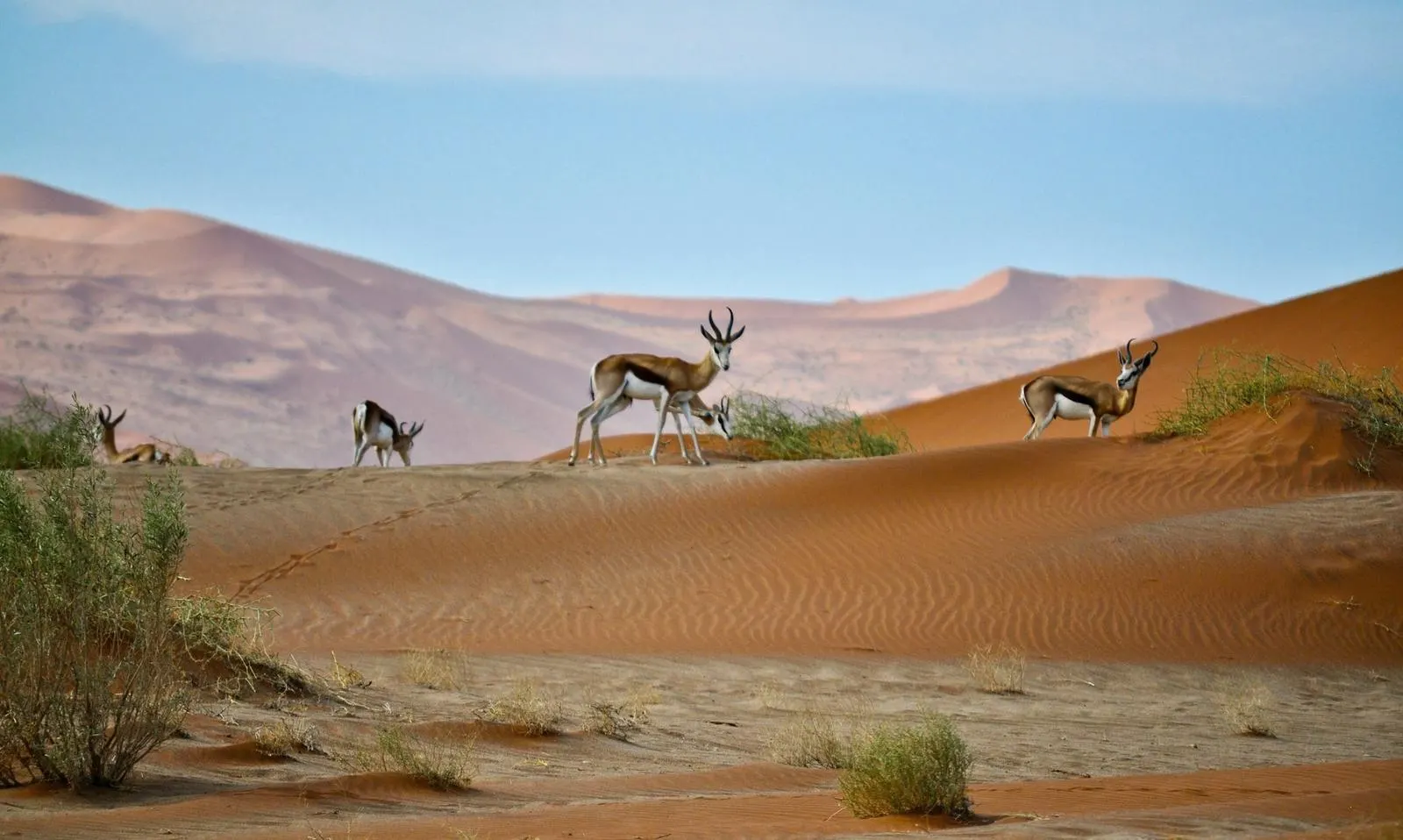
A dry winter from May to October, cool at night and golden by day; a hot summer of afternoon storms. Plan travel by the rain, not the calendar.
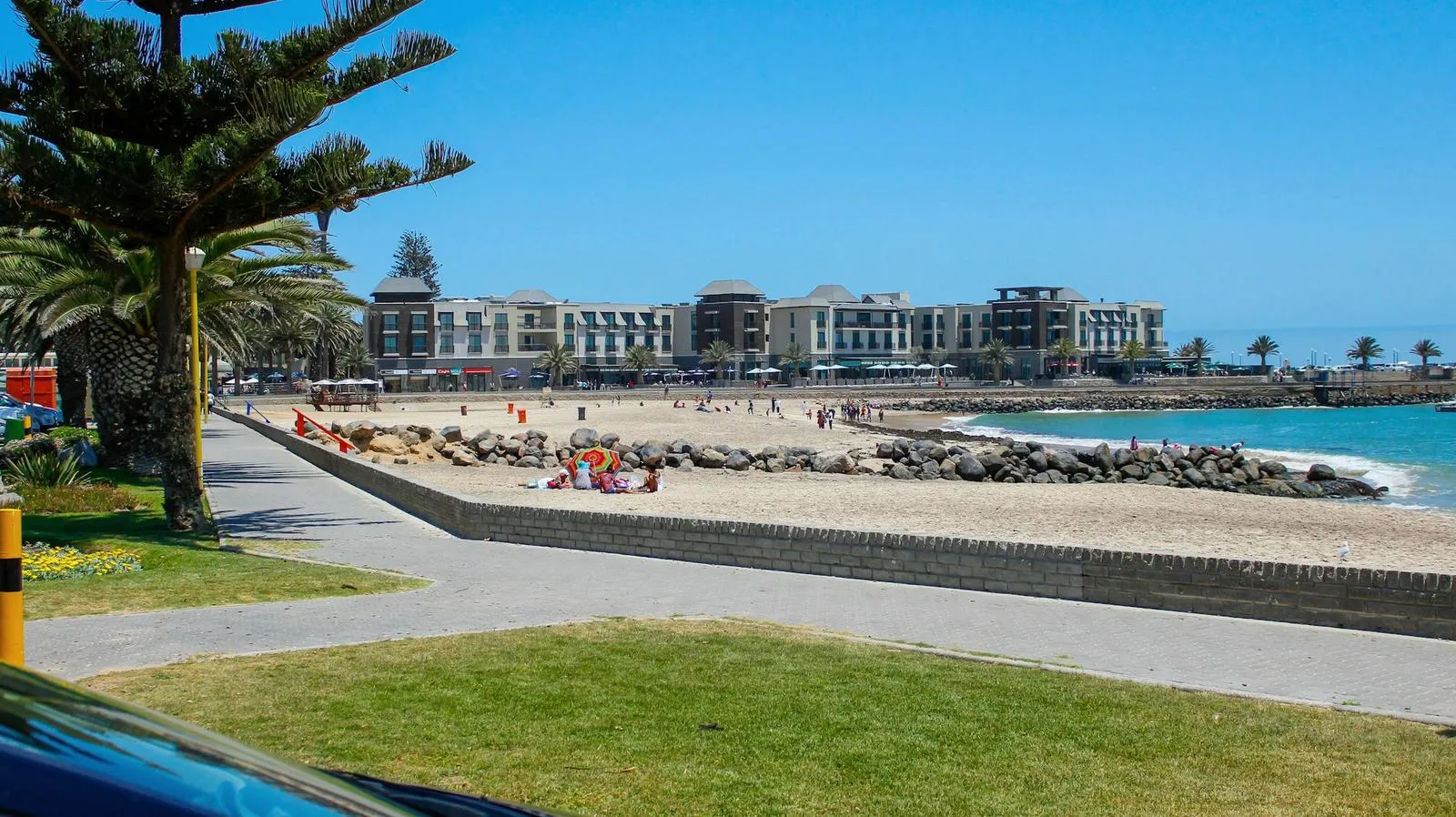
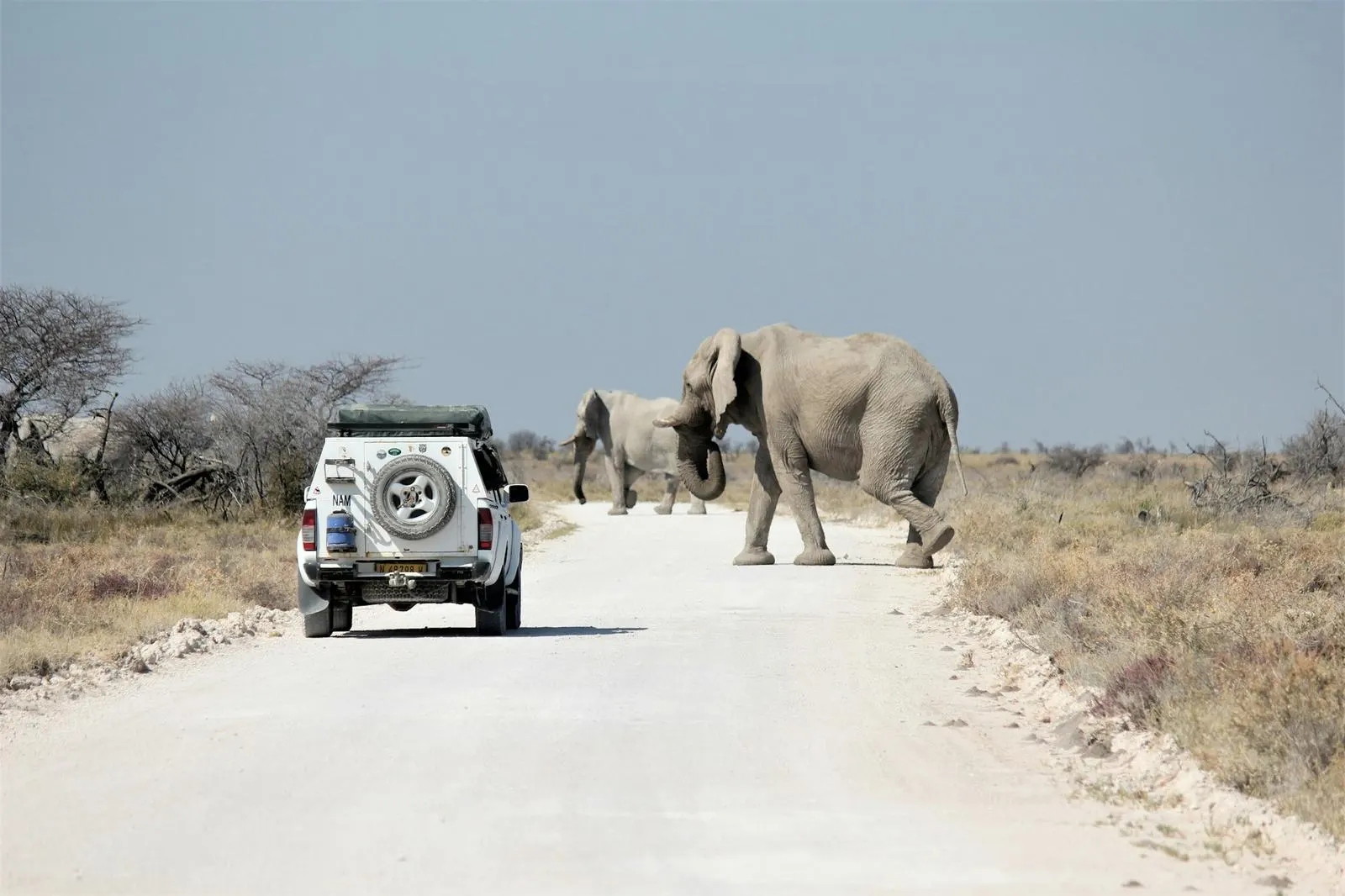
The coast at Swakopmund, a farm in the Khomas Highland, a night under the stars at a waterhole. Distances are long and the roads are open.
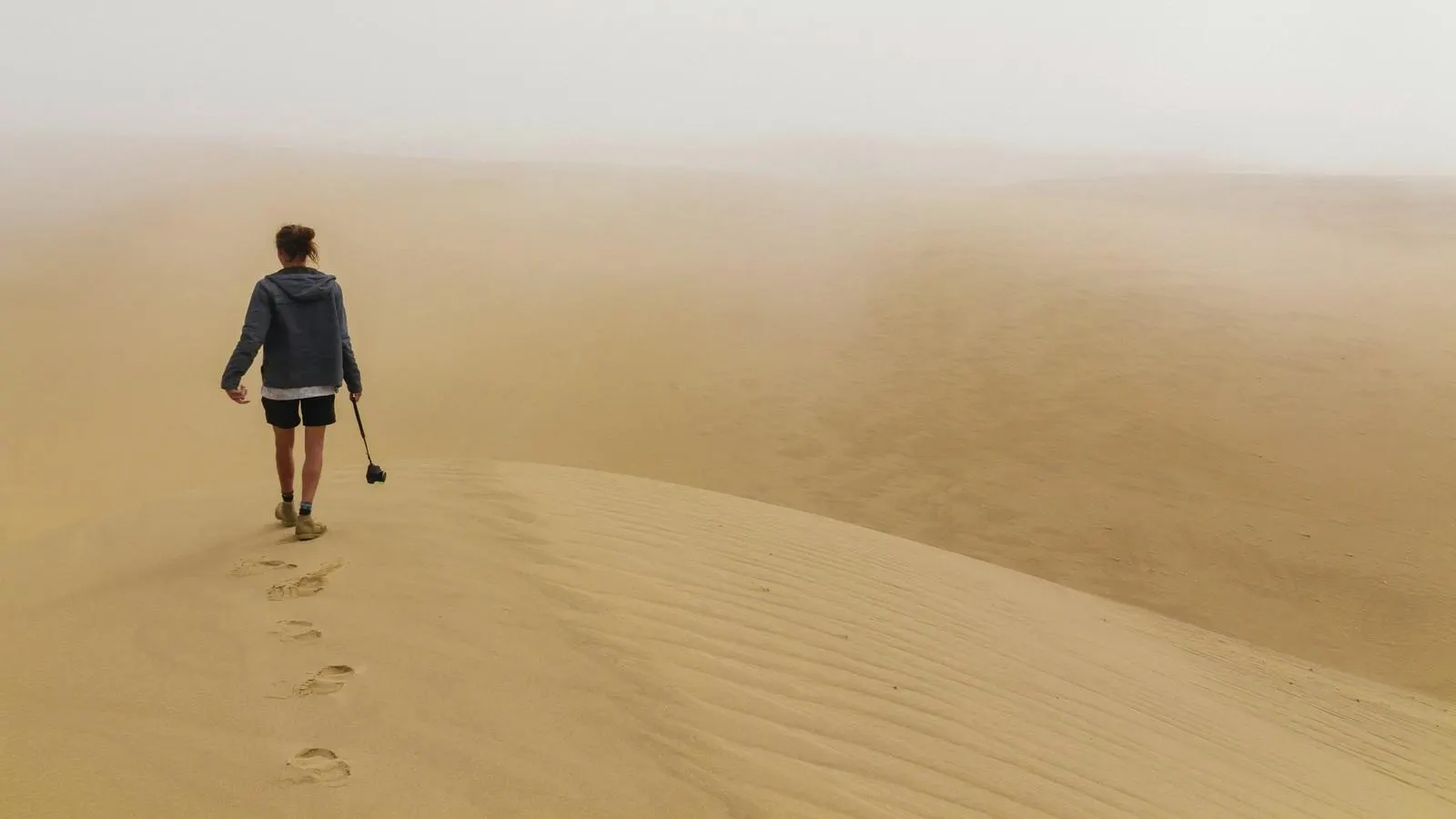
Hiking, cycling, fishing at Henties Bay, sandboarding in the dunes, and some of the clearest night skies on earth.
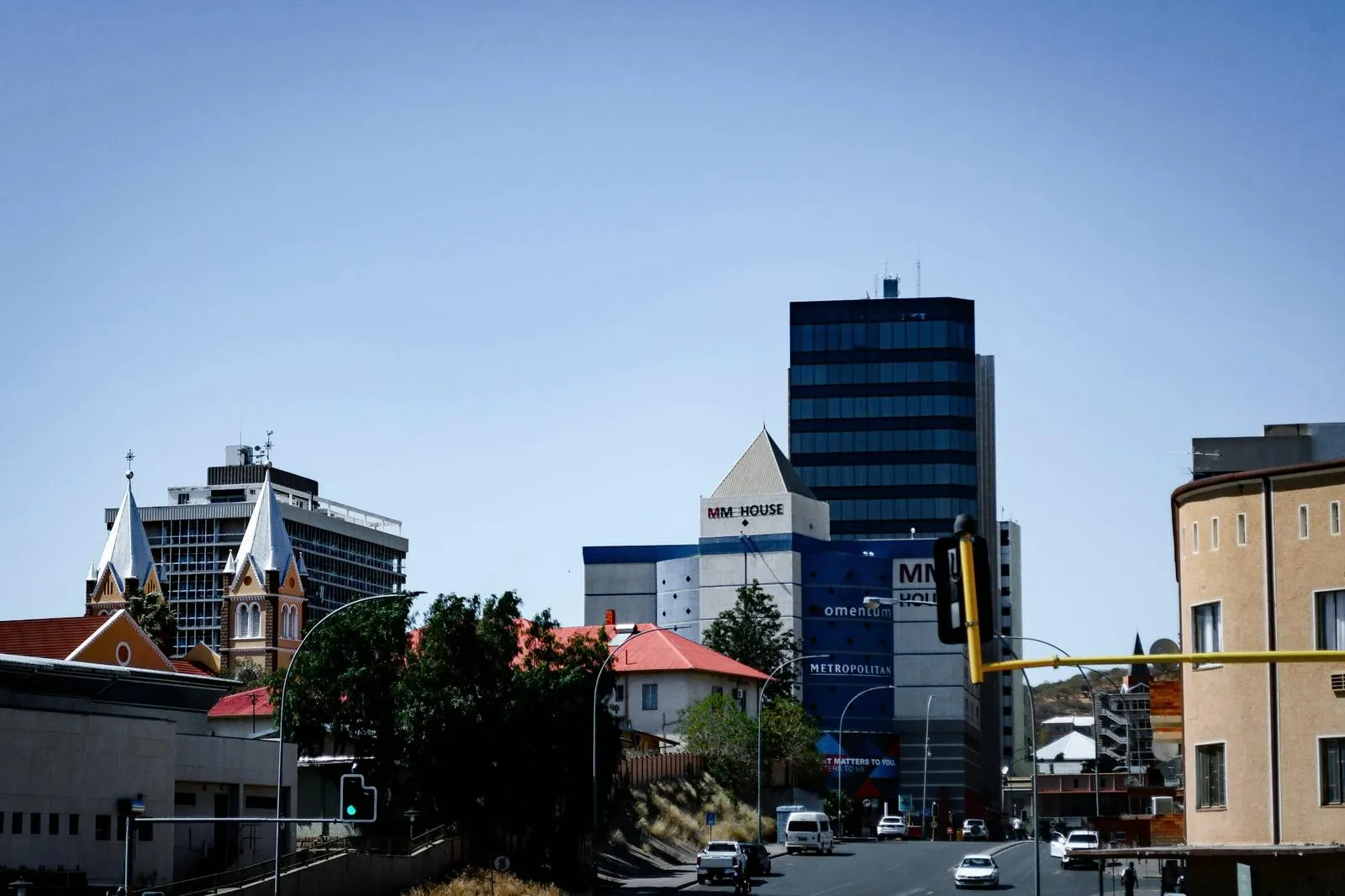
Many languages in one street, music and art in Windhoek, Independence Day in March, festivals from Karneval to Oktoberfest. NamEvents lists concerts, festivals, sport and expos across the country.
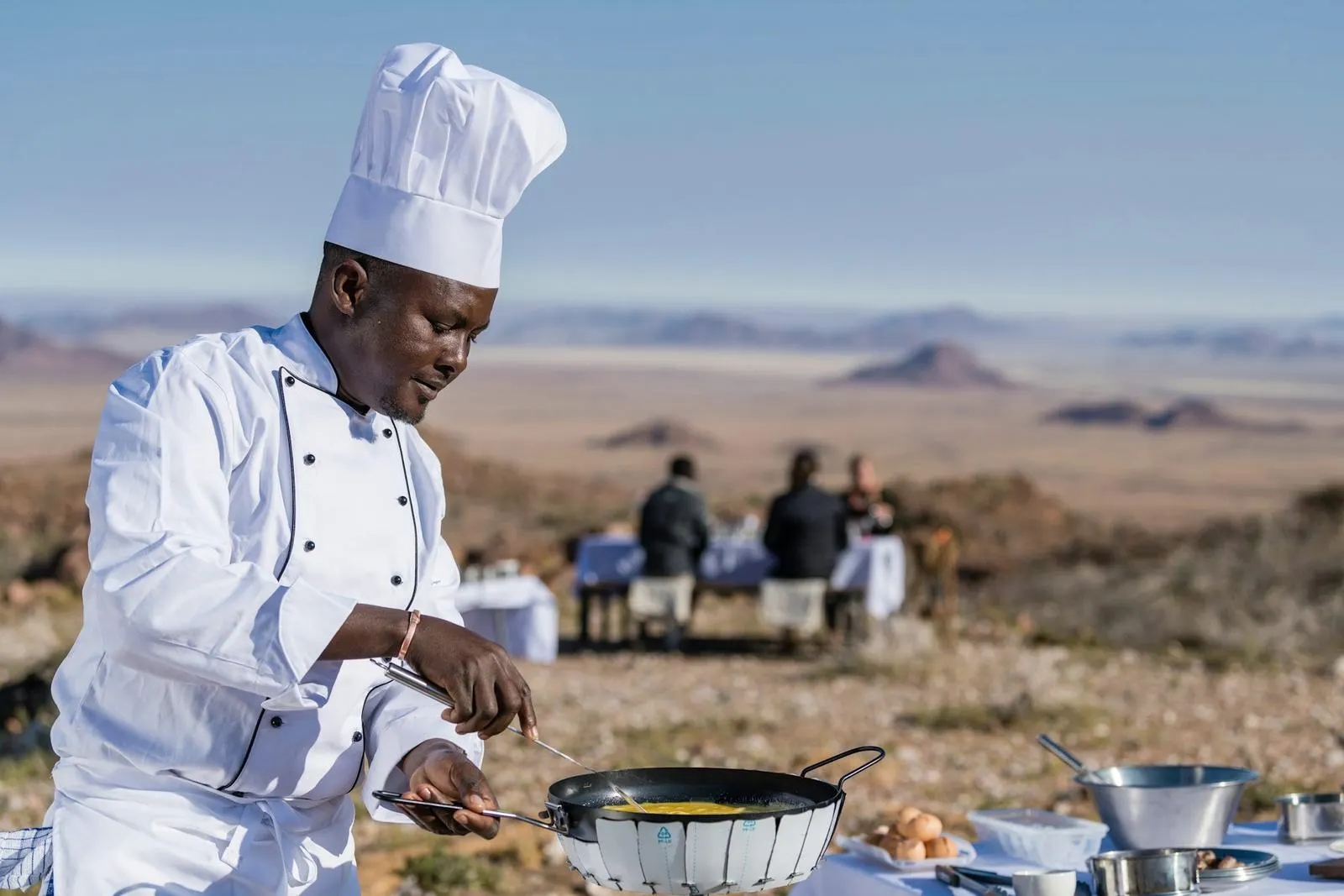
Game and beef of real quality, kapana at the market, German bakeries, Cape wines and a coffee culture that keeps improving.
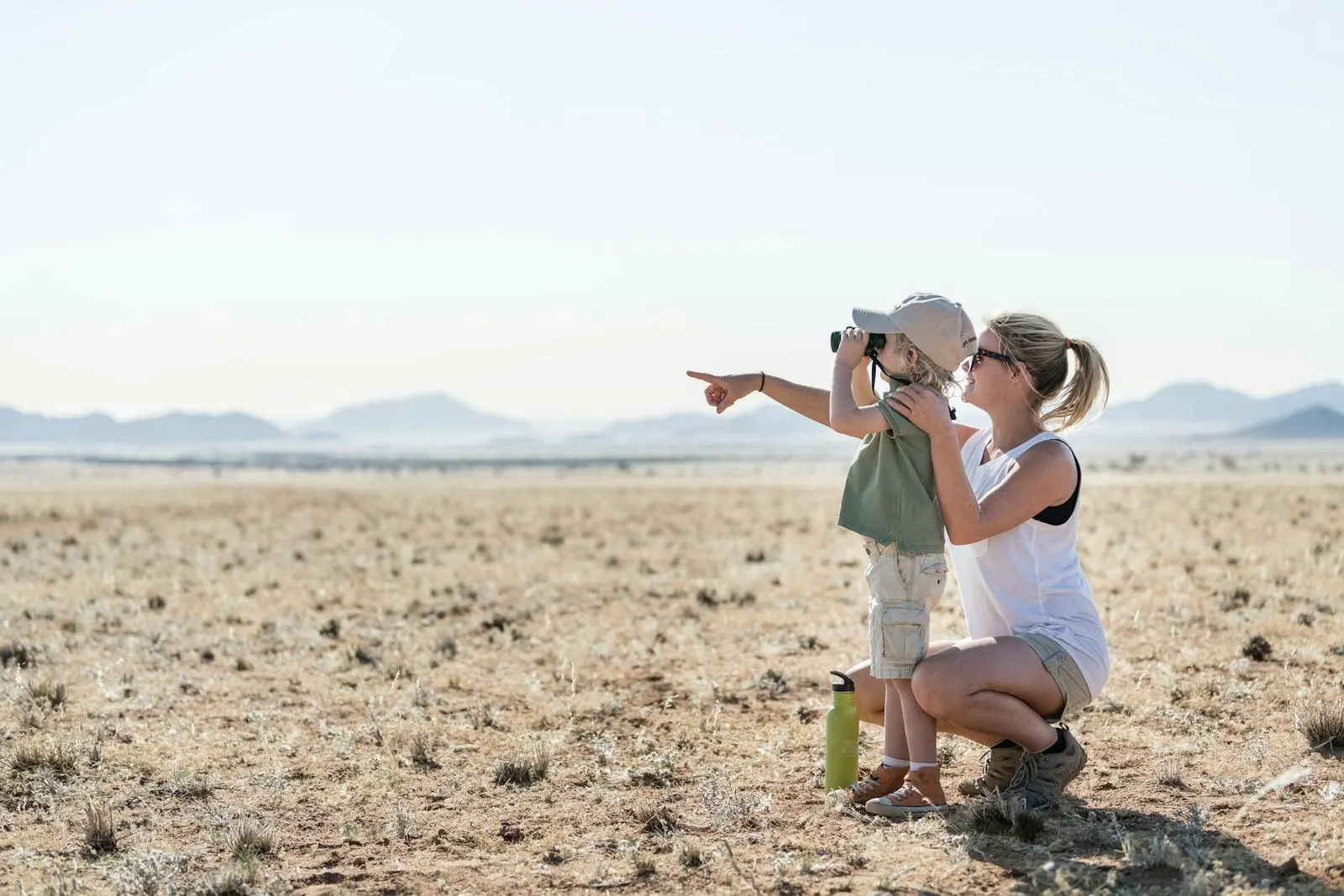
Children grow up outdoors. Schools teach in English, German and Afrikaans, and several international schools in Windhoek prepare for studies abroad, Switzerland included.
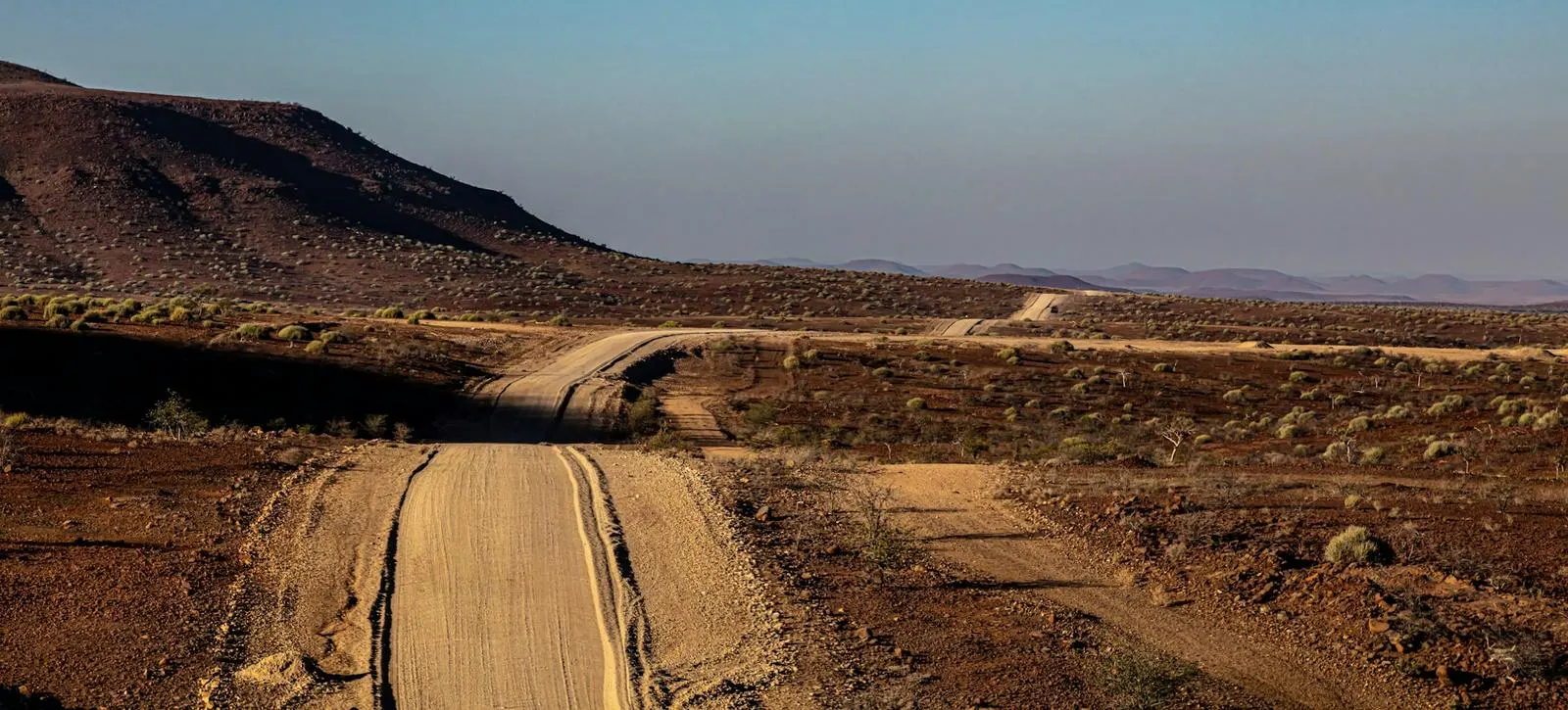
Life is lived by car. Main roads are tarred and well kept; gravel roads need patience, a spare wheel and daylight.
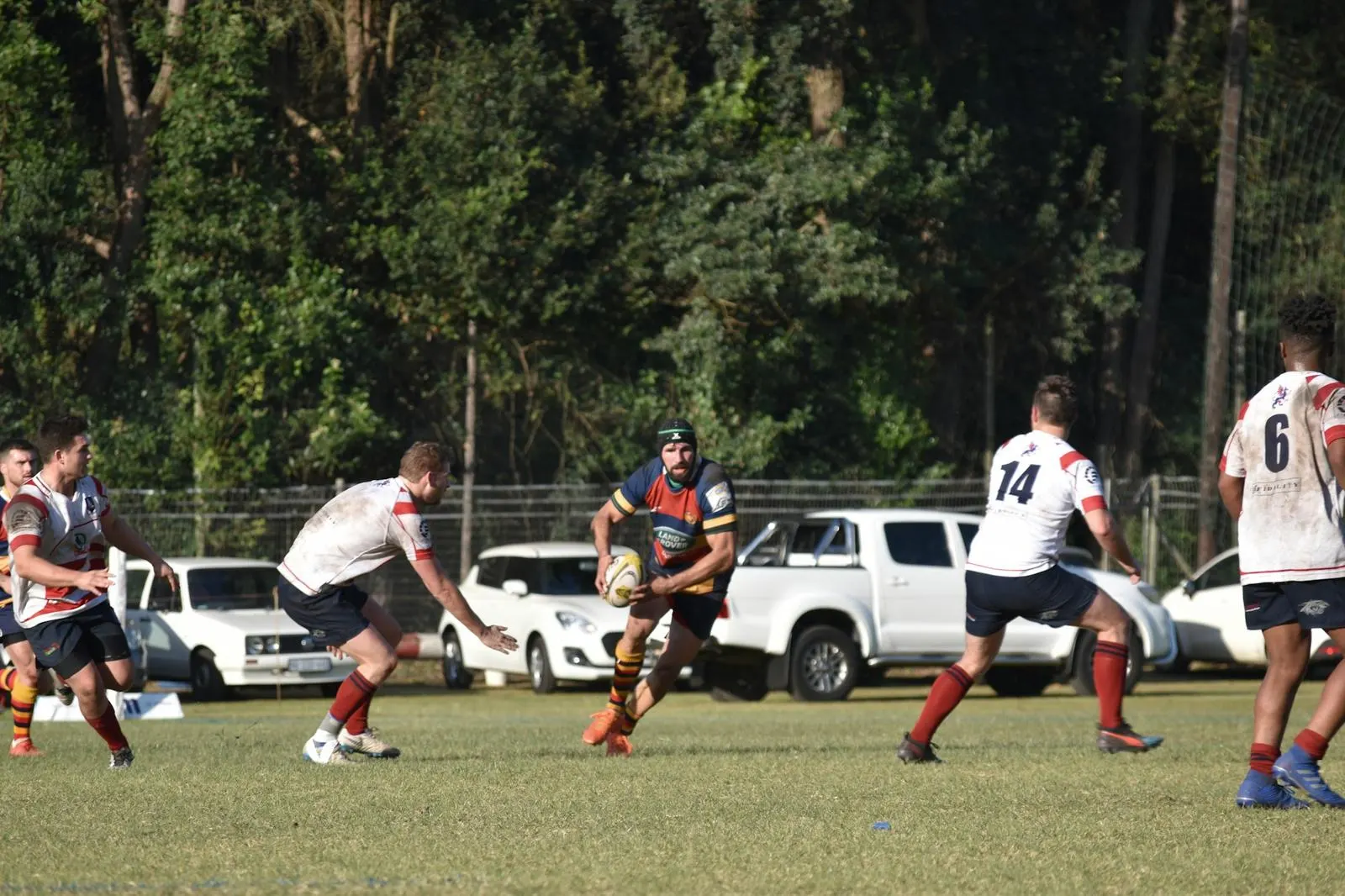
Golf, tennis, rugby and football clubs, riding and cycling groups: Namibians gather around sport, and newcomers are made welcome.
Concerts, festivals, sport and expos
NamEvents lists what is on across Namibia, week by week, with tickets online.
The club's own gatherings are announced in the Letter.
Three ways to make a life in Namibia
For families
Space for children to grow up outdoors, schools in English, German and Afrikaans, and international schools in Windhoek. Life is calmer, and grandparents in Switzerland are one night's flight away.
For business
English is the language of business. The Namibia dollar is tied one-to-one to the rand, the port of Walvis Bay serves the interior of the region, and Switzerland is at most one hour behind or ahead.
For retirement and long stays
Sun most of the year, a good private health sector in Windhoek and Swakopmund, and a community of Swiss who have done it before. Residence rules apply; the Desk explains them.
The practical side
Supermarkets such as Checkers, Pick n Pay, Spar and Woermann Brock, with butchers, bakeries and farm stalls. Swiss cheese and chocolate can be found in the larger stores.
Most residents belong to a private medical aid fund such as Namibia Medical Care, Renaissance Health or Namibia Health Plan. Compare cover for hospital, chronic care and evacuation.
Private hospitals in Windhoek include Mediclinic Windhoek, Lady Pohamba Private Hospital and the Roman Catholic Hospital; Swakopmund and Walvis Bay have private clinics too.
Opening an account takes your passport, your permit and proof of address. Ask your Swiss bank early about keeping your account while living abroad.
Names are given for orientation, not as endorsement. Members' experience is welcome through the Swiss Desk.
The offices you will meet
Checked on 13 October 2026. Always confirm requirements with the office itself.
Hospitals, doctors and wellbeing
Private medical care in Namibia is good, and the main towns have private hospitals with 24-hour emergency departments. Private hospitals usually ask for a medical aid card or a deposit, so check your cover before treatment. For medicine at night, call a hospital pharmacy first.
Hospitals in Windhoek
- Mediclinic WindhoekPrivate hospital with a 24-hour emergency departmentEros · +264 61 433 1000 · emergency 061 433 1109mediclinic.co.za ↗
- Lady Pohamba Private HospitalPrivate hospital with emergency centre, intensive and cardiac careKleine Kuppe · +264 83 335 9000
- Rhino Park Private HospitalPrivate hospital, known for maternity and newborn careRhino Park · +264 61 375 000
- Roman Catholic HospitalChurch-run hospital with emergency room and intensive careStübel St, centre · +264 61 270 2911
- Windhoek Central HospitalThe national state referral hospitalWindhoek North · +264 61 203 9111wch.gov.na ↗
- Katutura Intermediate HospitalLarge state hospitalKatuturamhss.gov.na ↗
Hospitals on the road
- Mediclinic SwakopmundPrivate hospital with intensive care and emergency departmentSwakopmund · +264 64 412 200mediclinic.co.za ↗
- Welwitschia HospitalPrivate hospital with 24-hour casualtyWalvis Bay · +264 64 218 911welwitschiahospital.com ↗
- Mediclinic OtjiwarongoPrivate hospital on the road to EtoshaOtjiwarongo · +264 67 303 734mediclinic.co.za ↗
- Ongwediva MediparkThe main private hospital in the northOngwediva · +264 65 232 911
- State hospitals in the regionsThe dependable choice in Keetmanshoop, Rundu and Katima MuliloRegional centres
Ambulance and evacuation
- E-Med Rescue 24National private ambulance and rescue, 24 hours924 · +264 83 924 9111 · +264 61 411 600emedrescue.com ↗
- Medical Rescue AfricaAir and road ambulance, based at Eros Airport912 · +264 83 339 0033medicalrescueafrica.com ↗
- City of Windhoek Emergency ServicesMunicipal ambulance and fire brigade+264 61 211 111
Dentists, pharmacies, opticians, spas and medical aid funds are listed in the Club’s travel pack, on the Culture & Travel page.
Permits
Living and working in Namibia needs the right permit.
- Work, residence and other permits are issued by the Ministry of Home Affairs, Immigration, Safety and Security.
- Apply before you start work, and keep copies of every document you submit.
- Your employer or a registered agent can help with the application.
Banking
Opening an account takes your passport, your permit and proof of address.
- Choose a bank and book an appointment.
- Bring your passport, your permit and a recent proof of address.
- Ask about transfers to and from Switzerland, and their costs.
Tax
Residents register with the Namibia Revenue Agency.
- Register for tax with NamRA once you earn an income in Namibia.
- Keep your Swiss tax position in order when you leave Switzerland.
- Ask a tax adviser about the agreement between both countries before large decisions.
Schools
Windhoek has German-language and international private schools, and public schools in English.
- Visit schools early: places fill up before the school year begins in January.
- Ask which leaving certificates each school offers.
- Members with children at school are glad to share their experience.
Health
Most residents rely on private medical aid and private hospitals.
- Join a medical aid fund soon after you arrive.
- Keep your Swiss insurance situation clear when you leave Switzerland.
- Note the emergency numbers on the Help page.
Retiring
Staying in Namibia, or going back to Switzerland.
- Your Swiss old-age pension can be paid abroad; tell the Swiss Compensation Office where you live.
- If you return, deregister with the Embassy and register with your new commune in Switzerland.
- Plan your health insurance for the move back early.
Converting a driving licence
Visitors drive with their licence; residents convert through the Roads Authority.
- Visitors: carry your Swiss licence and an international driving permit.
- Residents: apply at a Roads Authority (NaTIS) office in your town.
- Usually asked for: passport and permit, the original licence, an international driving permit or certified translation where needed, proof of address, passport photos, and an eye test at the counter.
- Some licences convert without a new test. Ask the Roads Authority which rule applies to a Swiss licence, and bring the originals.
Swiss–Namibian couples
Registering the marriage, and the new certificate of domicile for foreign spouses.
- If you married abroad, register the marriage in Namibia's Marriage Register with Home Affairs.
- Since 21 September 2026, Home Affairs issues a certificate of domicile to foreign spouses of Namibian citizens, replacing the certificate of identity. Apply in person.
- Usually asked for: the application form, affidavits, passport photos, certified IDs, the marriage certificate, police clearances and proof of residence. The fee of N$1,600 is paid once approved.
- Report the marriage to the Swiss civil register through the Embassy in Pretoria.
Your first thirty days
- Register with the Embassy of Switzerland in Pretoria.
- Check that your permit covers what you will do.
- Open a bank account and a mobile phone contract.
- Join a medical aid fund.
- Save the emergency numbers in your phone.
- Come and meet the club.
Moving back to Switzerland
- Deregister with the Embassy of Switzerland in Pretoria.
- Register with your commune in Switzerland within the deadline it sets.
- Arrange your health insurance in Switzerland from the day you arrive.
- Settle your tax and your accounts in Namibia.
- Tell the club: once a member, always welcome.
The Swiss Club travel pack
Everything we wish we had been handed on arrival: routes, trusted names and practical notes, gathered by members who live here. Free, in four languages, updated each season.
Receive the pack by email
- Three first journeys, day by day
- Windhoek: sights, restaurants, cafés, malls and hotels
- Flights to Windhoek and when they run
- The visa in brief, with the way to the Visa guide
- Car hire and 4x4 rules of the road
- Lodges, park camps and guest farms
- Tour operators and guides
- Seasons, malaria zones and health
- Packing list for the bush and the desert
- Money, mobile data and fuel
- Emergency numbers and the Swiss Desk
- Banks, mobile networks and the Swiss representations
- What's on: NamEvents and the club's calendar