Making a life in Switzerland
For Namibians and friends of Switzerland who go to study, train or work there, and for Swiss families going home. Each guide names the office that is competent.
Visiting Switzerland first? The Schengen visa, step by step →
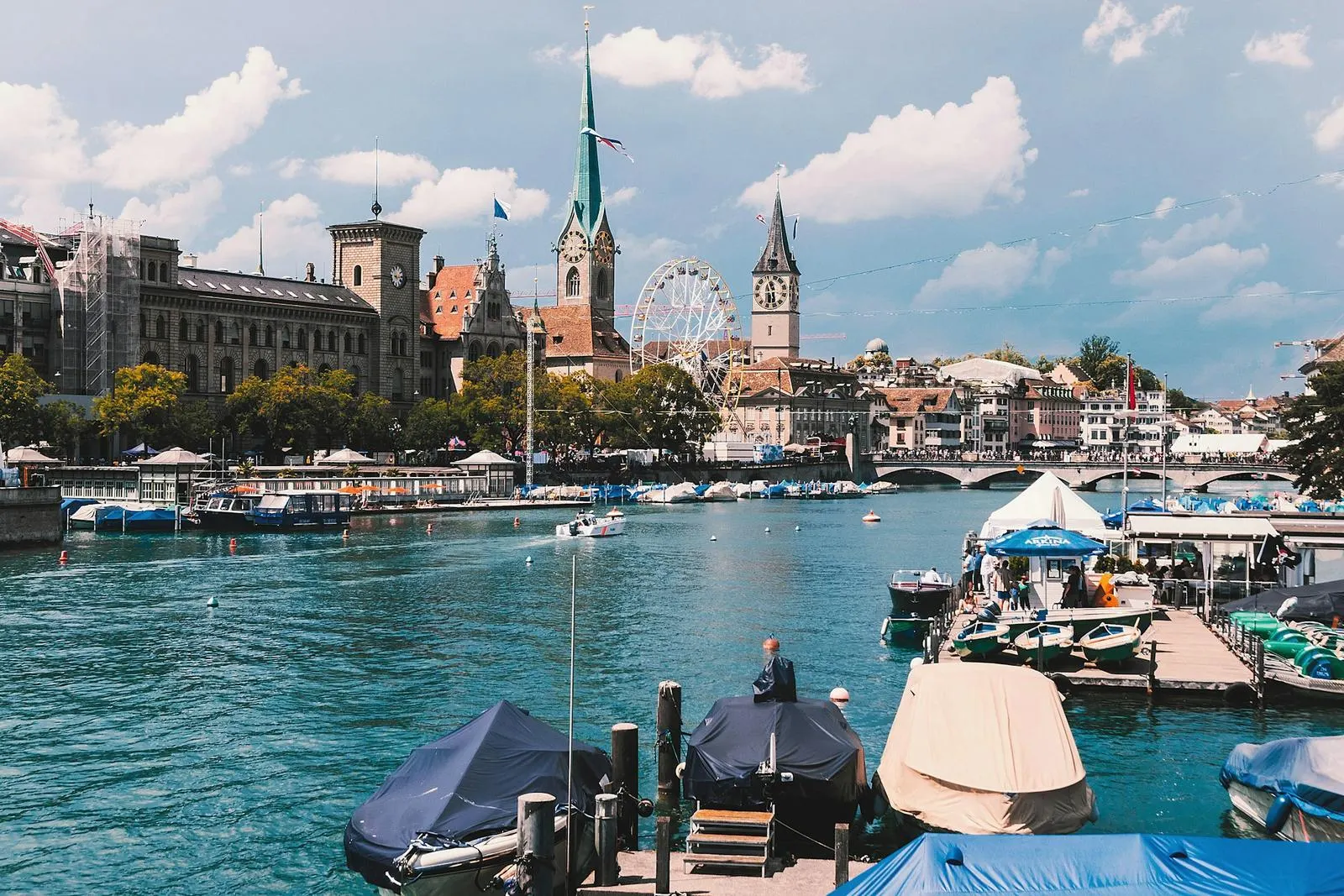
How life is lived there
Order, punctuality and a great deal of nature close at hand. Switzerland rewards those who learn its rules early, and opens up through its clubs and its neighbours.
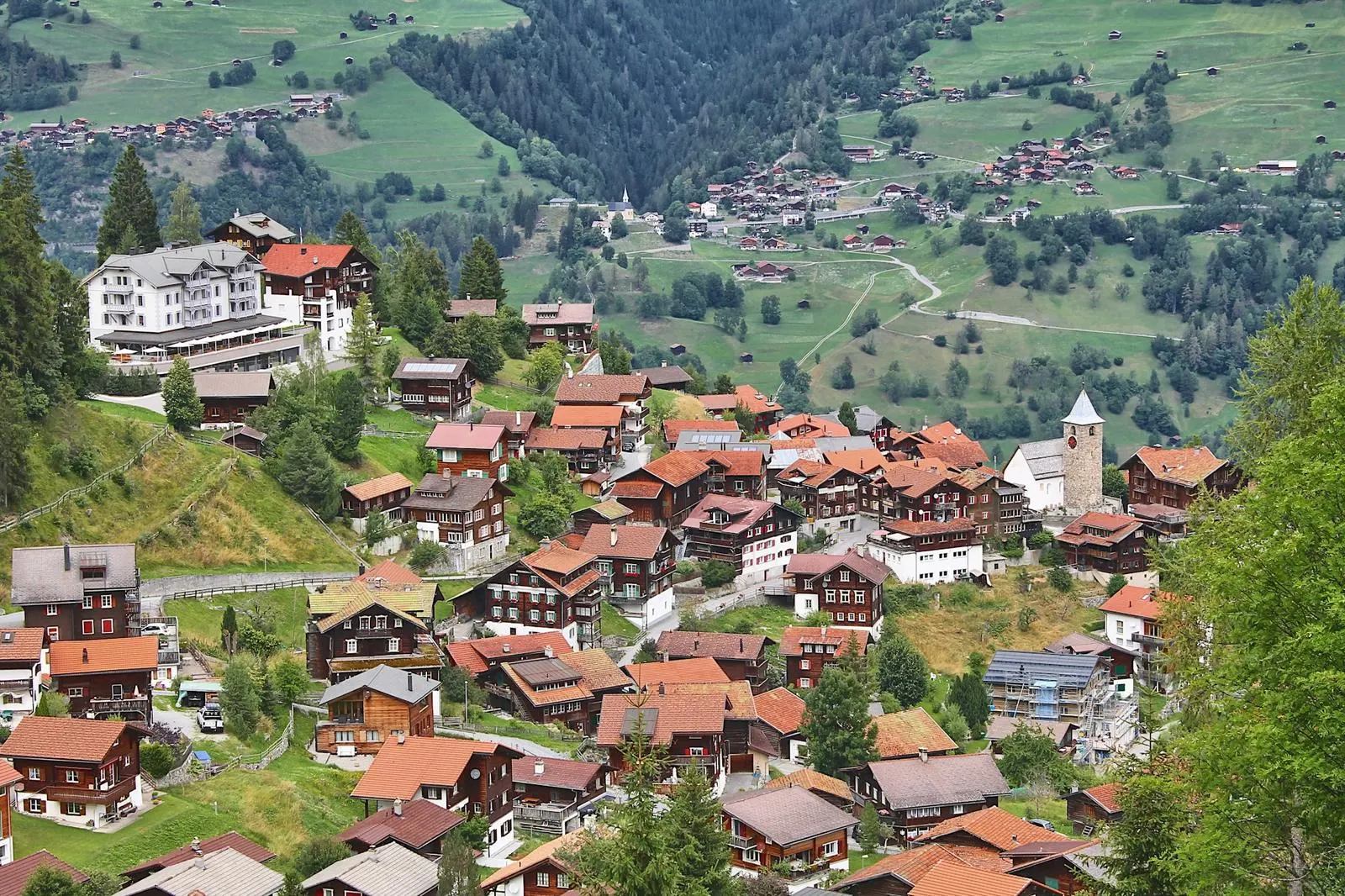
Life is organised close to home. The commune registers you, runs the schools and collects part of your tax; its office is the first door you knock on.
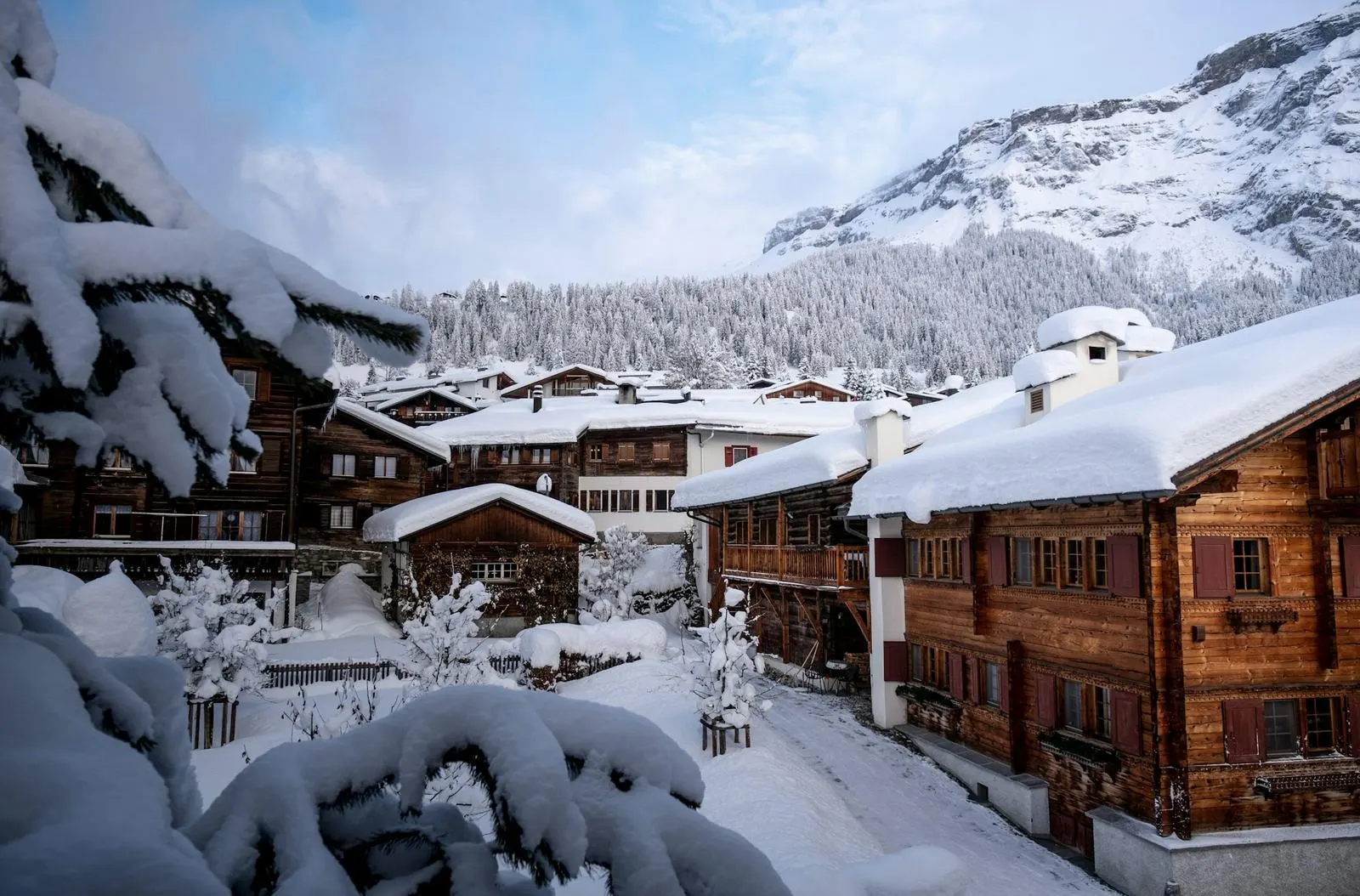
Four real seasons: snow in the mountains from December, blossom in April, long light evenings in summer and golden autumns. The Swiss summer is the Namibian winter.
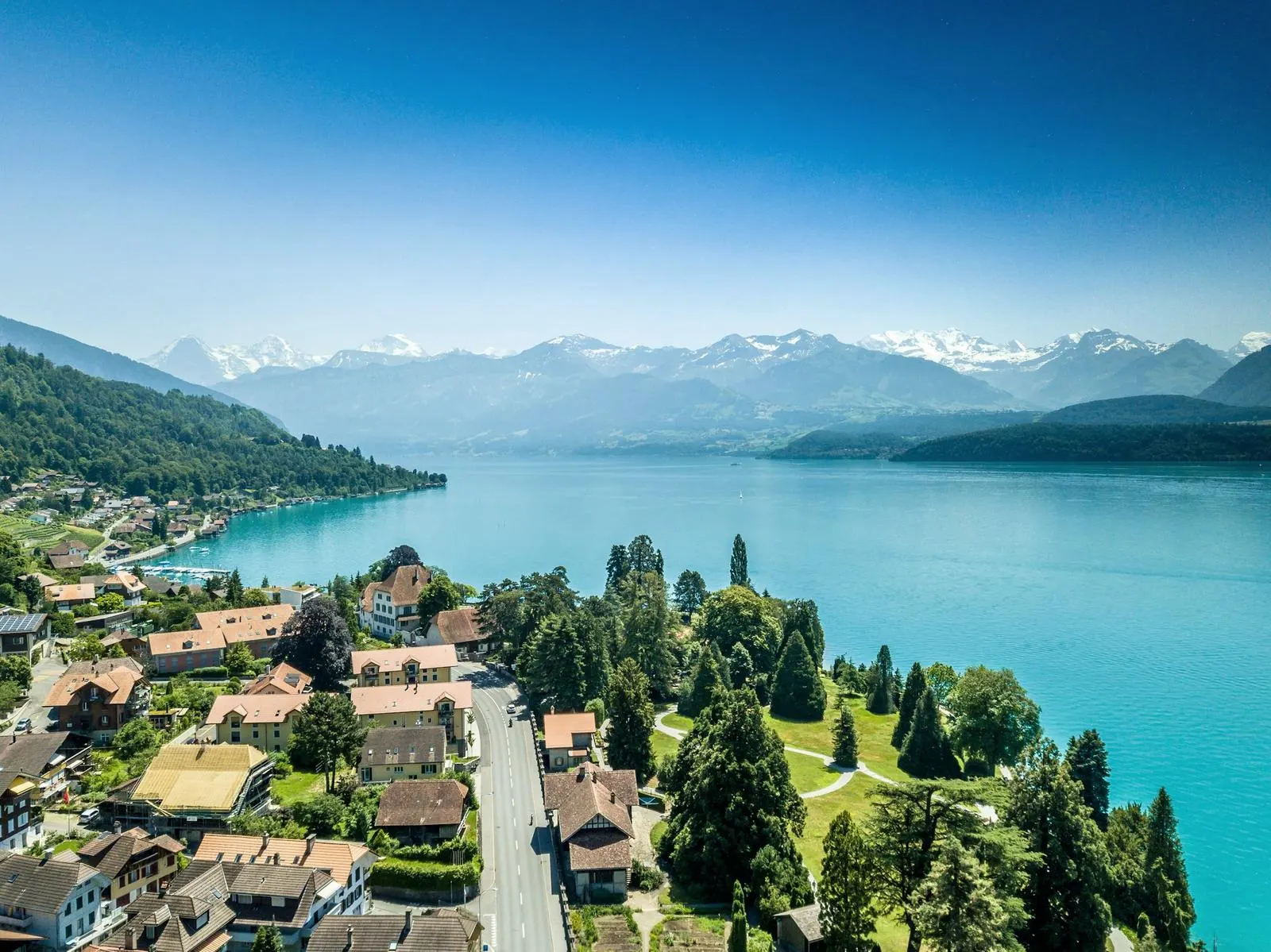
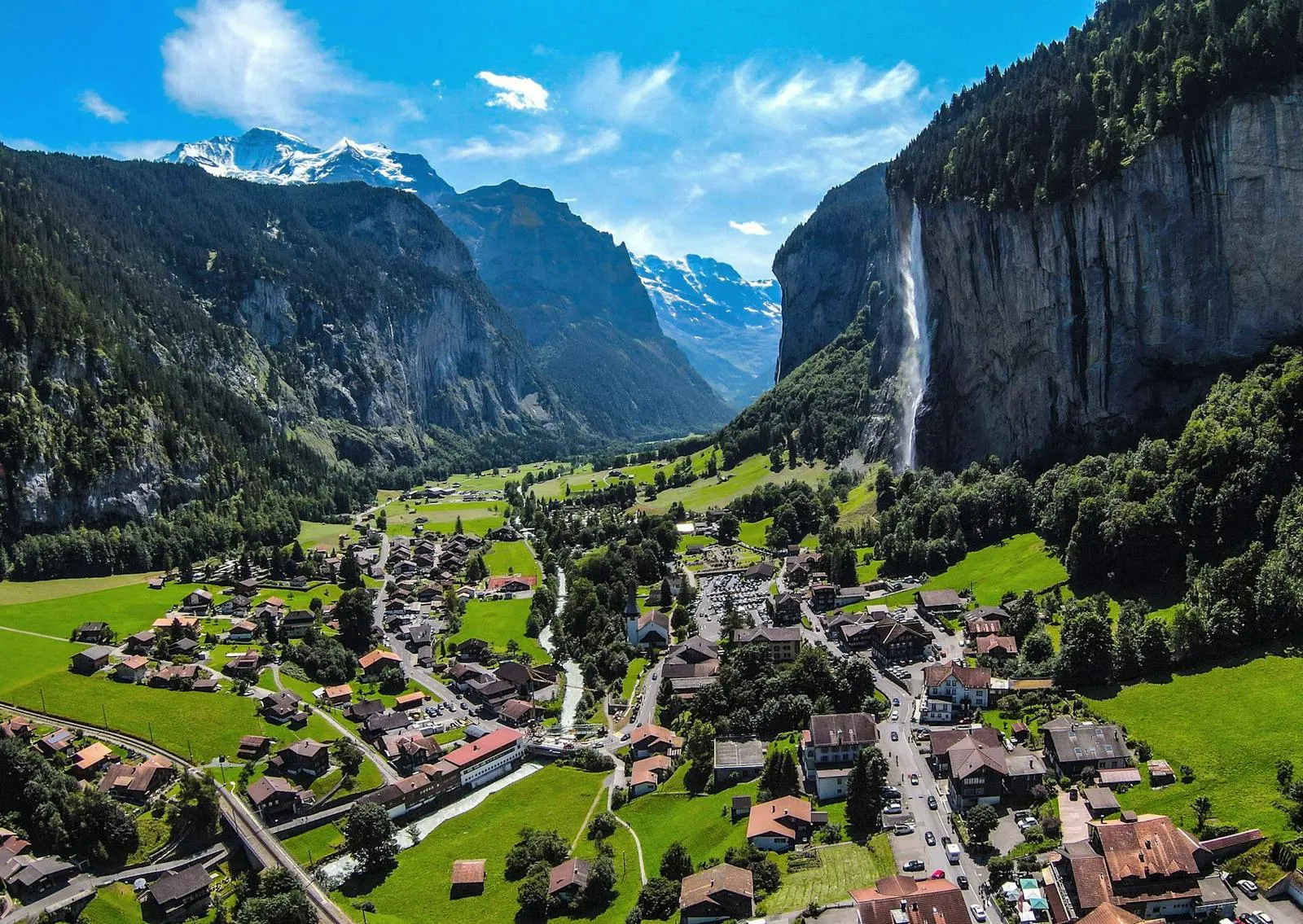
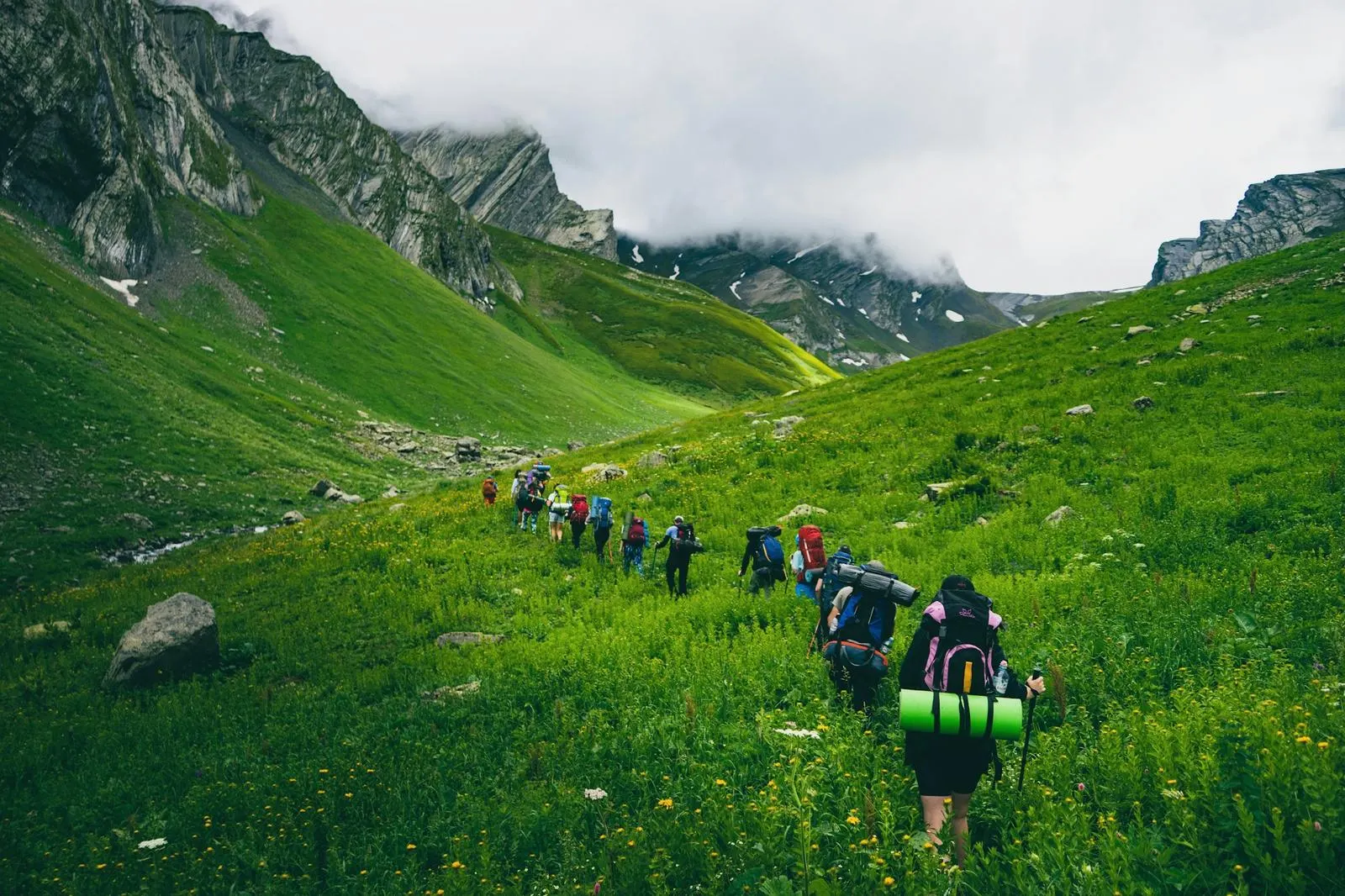
A train to the mountains, a boat on the lake, a hike that ends at a mountain inn. Almost everything is reachable by public transport.
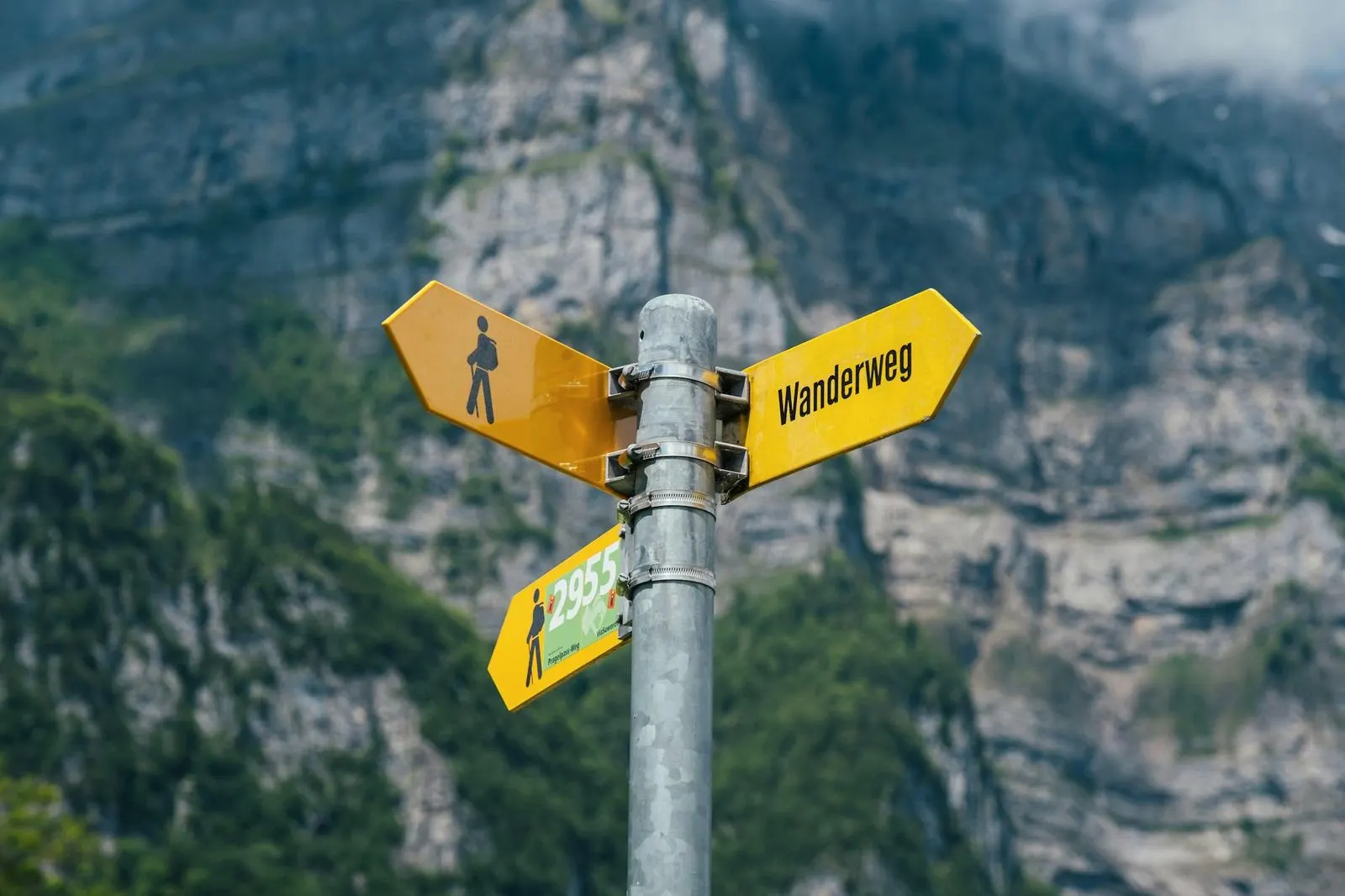
Marked hiking trails everywhere, lakes clean enough to swim in, skiing in winter. Respect the yellow signposts and the weather forecast.
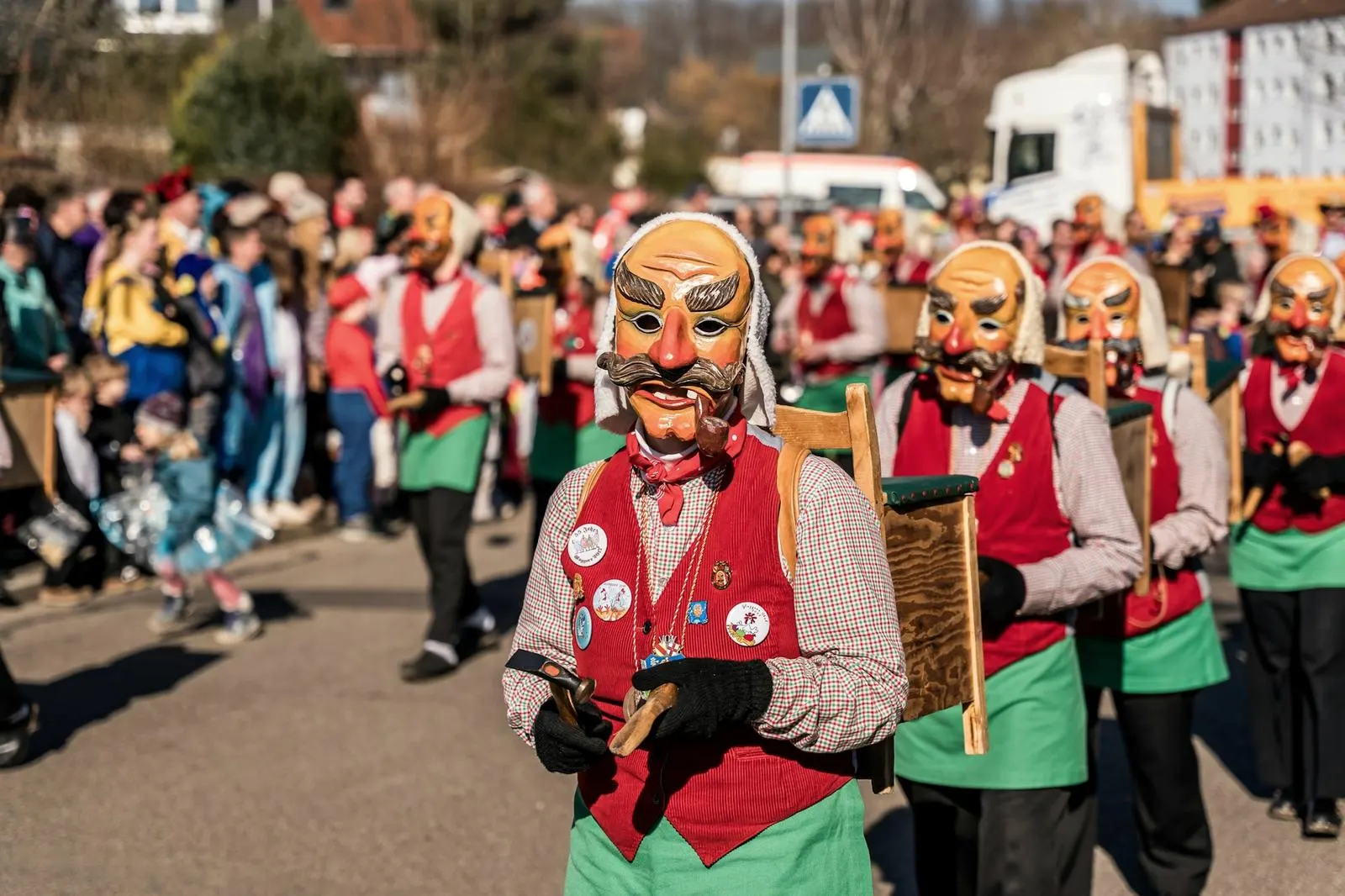
Four languages, festivals in every town, the national day on 1 August, carnival in Basel and Lucerne, and concerts and museums of the first rank.
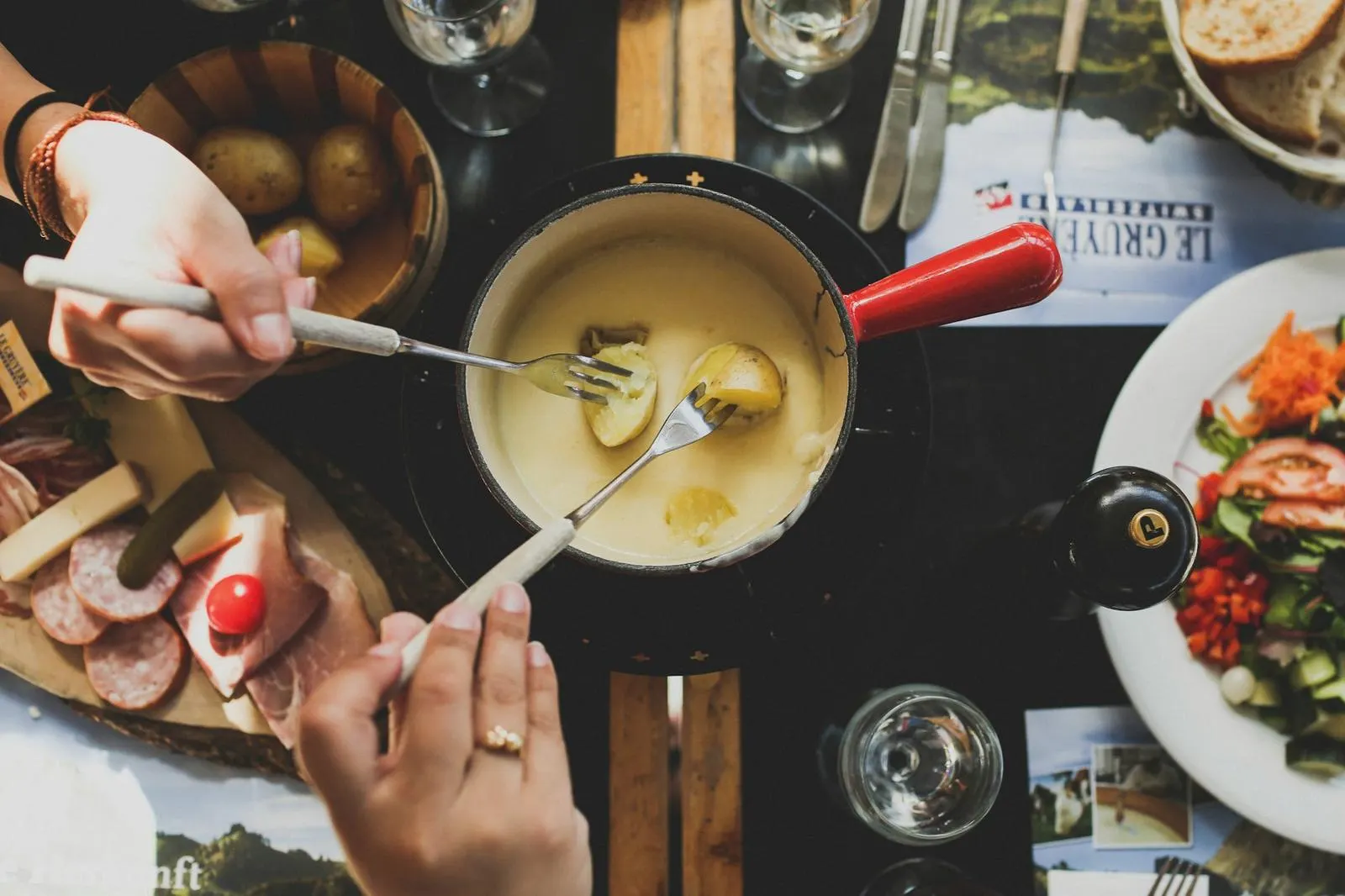
Fondue and raclette in winter, rösti, the cheeses of each region, bread from the village bakery, and the wines of Valais, Vaud and Ticino.
Children walk to school on their own. Public schools are free and teach in the language of the canton; the apprenticeship opens as many doors as university.
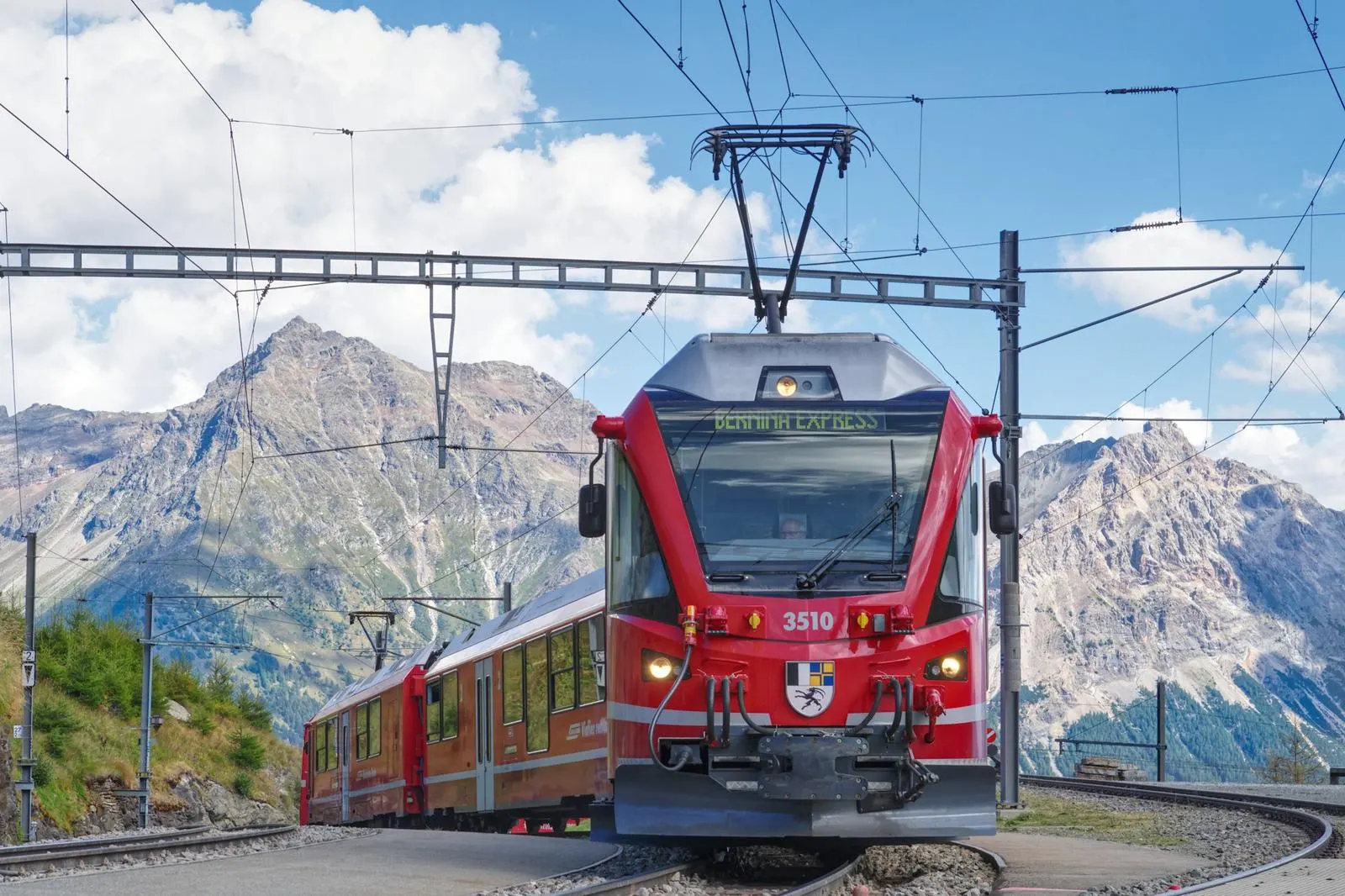
Trains, buses, boats and mountain railways run as one system to the minute. Many families have no car; a Half Fare Card or GA travelcard is part of life.
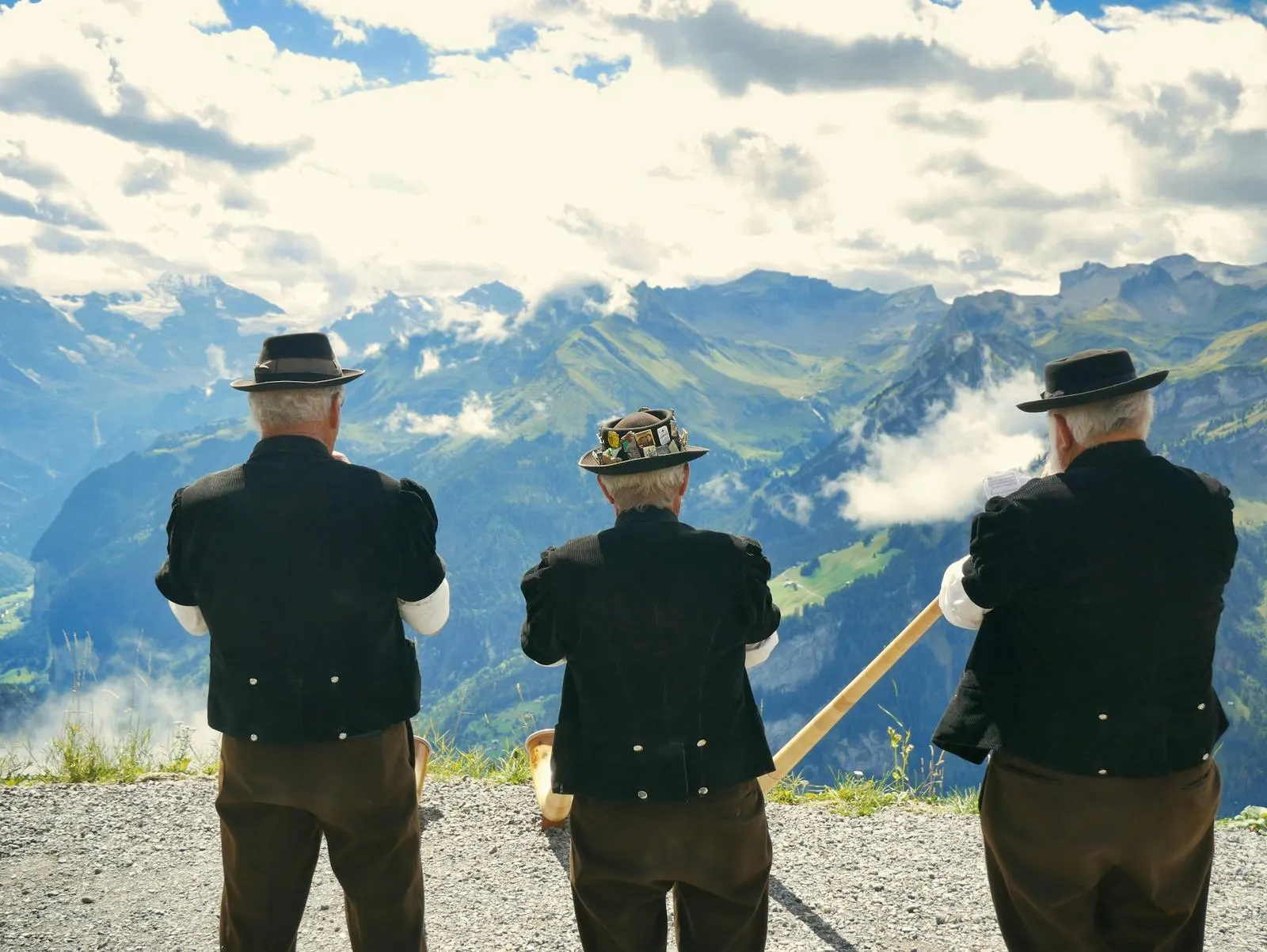
The Swiss organise themselves in clubs: choirs, sports, gymnastics, music, shooting. Joining one is the fastest way into a village or a neighbourhood.
Three ways to make a life in Switzerland
For students and apprentices
Universities of world rank and an apprenticeship system admired everywhere. A national visa, proof of means and an admission letter come first; begin months ahead.
For professionals and families
High salaries and high costs, excellent schools and a safe, orderly daily life. Permits for people from outside Europe are limited to qualified specialists, and the employer applies.
For the Swiss going home
After years in Namibia, home can feel new. Register with your commune, choose a health insurer from the first day, and bring your children's school records.
The practical side
Migros and Coop are everywhere, with Denner, Aldi and Lidl for lower prices. Shops close on Sundays; those at stations, airports and petrol stations stay open.
Basic health insurance is compulsory for every resident and must be taken out within three months of arrival. You choose the insurer, the model and the deductible.
Your family doctor is the first stop; many insurance models require it. In an emergency, call 144 or go to the emergency department of the nearest hospital.
Opening an account takes your passport, your permit and proof of address. Cantonal banks, PostFinance and the large banks all serve private clients.
Names are given for orientation, not as endorsement. Members' experience is welcome through the Swiss Desk.
The offices you will meet
Checked on 13 October 2026. Always confirm requirements with the office itself.
Hospitals, doctors and wellbeing
Swiss medicine is among the best in the world, and among the most expensive. Residents are covered by their compulsory insurance; visitors need travel medical insurance. The family doctor comes first; the emergency department is for emergencies.
University hospitals
- University Hospital ZurichFull range of care, with a 24-hour emergency departmentZurichusz.ch ↗
- Geneva University HospitalsThe largest hospital group in French-speaking SwitzerlandGenevahug.ch ↗
- InselspitalUniversity hospital of BernBerninsel.ch ↗
- University Hospital BaselUniversity hospital of northwestern SwitzerlandBaselunispital-basel.ch ↗
- CHUVLausanne University HospitalLausannechuv.ch ↗
In an emergency
- AmbulanceMedical emergencies144
- Rega, air rescueHelicopter rescue, also in the mountains1414 · from abroad +41 333 333 333rega.ch ↗
- Tox Info SuissePoisoning, day and night145toxinfo.ch ↗
- European emergency numberFrom any phone112
Pharmacies open on weekdays and Saturdays, and every town has one on duty at night. The Switzerland travel pack, on the Culture & Travel page, lists the numbers to keep.
Permits
Living and working in Switzerland needs the right permit.
- For people from outside Europe, work permits are limited to qualified specialists, and the employer applies.
- The cantonal migration office decides; the State Secretariat for Migration sets the rules.
- Enter on a national visa issued before travel, and collect your permit card after arrival.
Registering with the commune
Within 14 days of arrival.
- Go to the residents' office of your commune with your passport, visa, rental contract and, for families, birth and marriage certificates.
- The commune registers you and passes your file to the canton for your permit.
- Deregister in the same way when you leave.
Health insurance
Compulsory for every resident.
- Take out basic insurance within three months of arrival; it then applies from the day you arrived.
- Compare insurers, models and deductibles on the official premium calculator.
- Accident insurance is usually provided through your employer.
Tax
Commune, canton and Confederation.
- Foreign employees without a settlement permit usually pay tax at source, deducted from salary.
- Others file a yearly tax return with their canton.
- Keep your Namibian tax affairs settled when you move.
Schools and apprenticeships
Free public schools, in the language of the canton.
- Register your child with the commune's school office.
- Bring school reports and, if possible, translations; children who need it receive language support.
- From about age 15, the apprenticeship combines school and paid training in a company.
Studying
University or university of applied sciences.
- Apply to the university first; admission rules differ by school.
- With the admission letter, apply for a national visa; allow six to twelve weeks.
- Show proof of means, pay the fees and plan your health insurance.
Converting a driving licence
Within 12 months of arrival.
- Your Namibian licence is valid for the first 12 months, ideally with an International Driving Permit.
- To keep driving, exchange it at the cantonal road traffic office; a control drive may be required.
- Switzerland drives on the right.
Swiss–Namibian couples
Marriage and family reunification.
- A marriage in Namibia is registered in Switzerland through the Embassy in Pretoria.
- A Namibian spouse of a Swiss citizen applies for family reunification through the cantonal migration office.
- The Swiss Desk explains the documents to prepare in both countries.
Your first thirty days
- Register with your commune within 14 days.
- Take out basic health insurance.
- Open a bank account and buy a Swiss SIM card.
- Buy a Half Fare Card or a travelcard.
- Save 144, 117 and 118 in your phone.
- Let the Namibian mission in Geneva, or the club, know you are there.
Moving back to Namibia
- Deregister with your commune before you leave.
- Cancel your health insurance from the day of departure.
- Ask the AHV office how your contributions and pension will be treated.
- Swiss citizens: register with the Embassy in Pretoria within 90 days.
- Tell the club: once a member, always welcome.
The Swiss Club travel pack · Switzerland
The flight, the trains, three first journeys, the cities, the seasons and the numbers to keep, gathered by members who know both countries. Free, in four languages.
Receive the pack by email
- The Schengen visa in brief, with the way to the Visa guide
- Flights from Windhoek and when they run
- Swiss Travel Pass and Half Fare Card prices
- The four panoramic trains
- Three first journeys, day by day
- Zurich, Geneva, Bern, Basel, Lucerne, Lausanne and Lugano
- Tables with history
- Seasons, insurance and health
- Money, plugs, phones and Sundays
- Manners, languages and recycling
- Driving, studying and living
- Emergency numbers and the representations